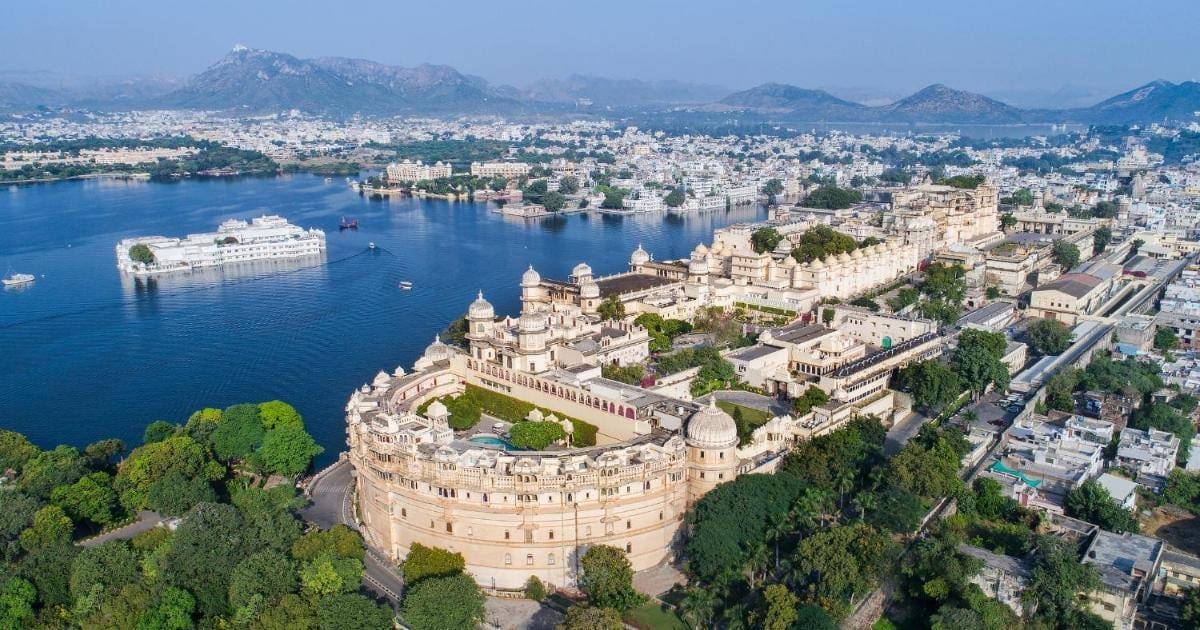
India doesn't really "hold" festivals, it erupts into them. Streets become canvases of color, desert sands fill with camel caravans and folk music, ancient monastery halls hum with chants passed down generations, and whole cities forget to sleep entirely. If you're the kind of traveler who plans trips around experiencing the moments rather than just places, these five festivals are worth experiencing the Indian culture.
Plan the journey around the celebration
Choose the festival and its annual dates first, then build a route with time for crowds, transfers and quieter days. Discuss participation, mobility, noise and dietary preferences before committing to arrangements. Public celebrations and private invitations offer different experiences; access and individual event programs require confirmation.
A Varanasi visit can be planned around the relevant riverside celebration. For Onam, use the Kerala Backwaters & Spice Coast journey as a starting point and confirm how festival dates fit the route. Festive pricing is available on request.
Festival Trails of India
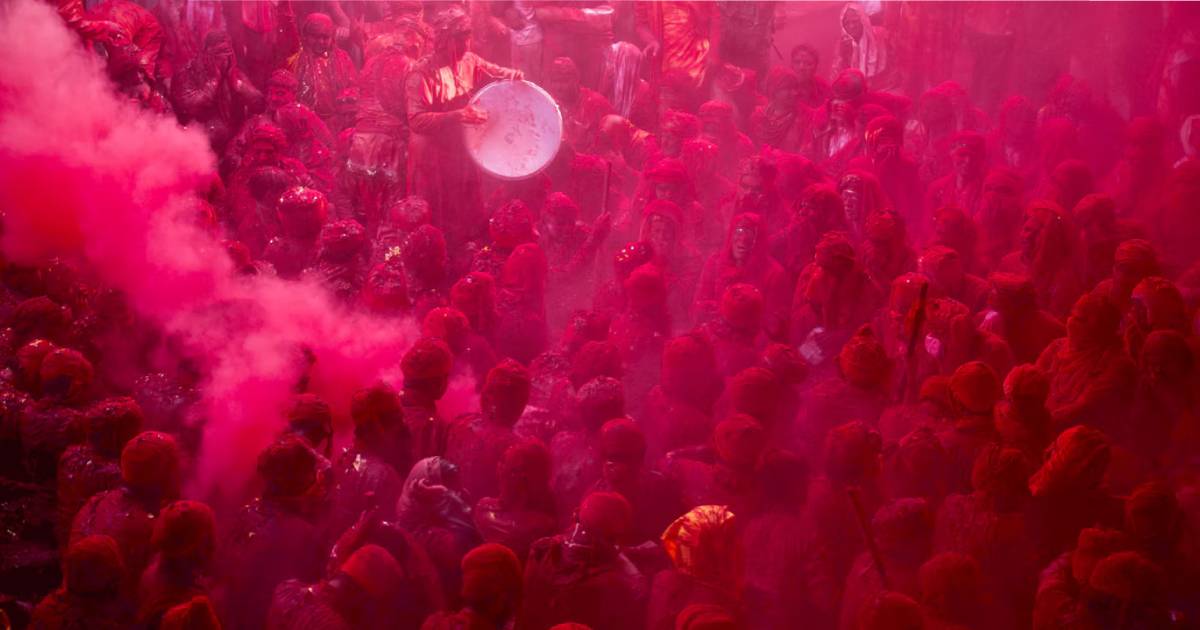
Holi - The Festival of Colors
Where: Mathura, Vrindavan, and Barsana (Uttar Pradesh) for the most authentic experience, and Jaipur and Delhi for more accessible celebrations
When to visit: Usually February or March; dates follow the festival calendar
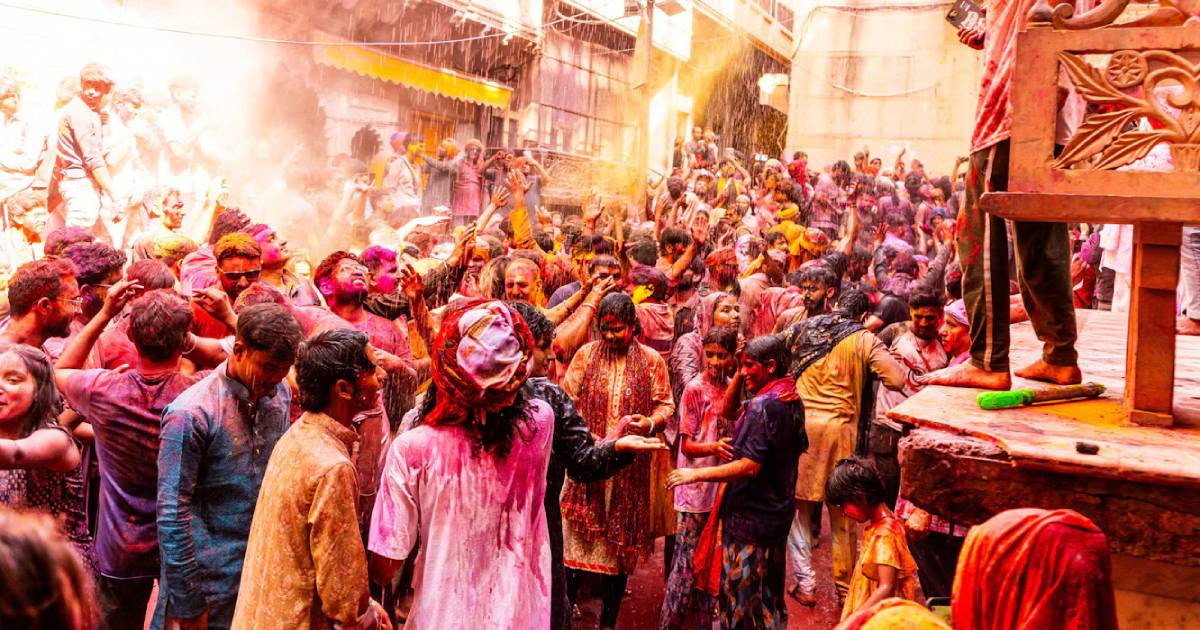
Holi needs no introduction, as it is the most vibrant and joyous festival in India - known as festival of colors. Celebrated primarily in spring to mark the arrival of the new season and the triumph of good over evil. Experiencing holi in Mathura and Vrindavan hold weeks-long celebrations with elaborate traditions tied to Radha-Krishna. Barsana is famous for "Lathmar Holi," where women playfully beat men with sticks.
The clouds of pink, yellow, red, and green gulal fill the air, while traditional music, festive sweets, and colourful traditional attire become an integral part of the festival experience.
Diwali - The Festival of Lights
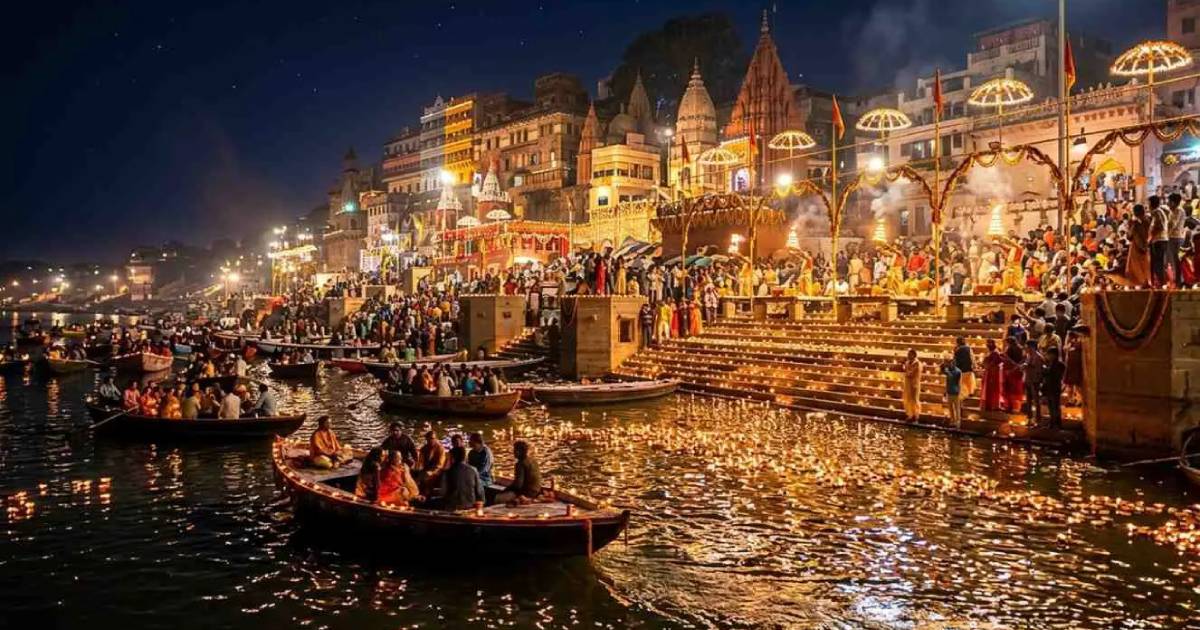
Where: Jaipur for illuminated bazaars; Varanasi for city celebrations, with the later Dev Deepavali riverfront event planned separately; Amritsar for celebrations around the Golden Temple
When to visit: October or November (based on the lunar calendar)
Diwali is India’s biggest festival, celebrating the triumph of light over darkness and good over evil. During the festival, cities across India come alive with a festive glow, with homes and streets illuminated by oil lamps (diyas) and fairy lights. Doorsteps are decorated with intricate rangoli made from coloured powders, while markets bustle with shoppers buying sweets, lanterns, gifts, and festive decorations. The celebrations are further enhanced by fireworks, family gatherings, prayers, and traditional feasts, creating a vibrant and joyful atmosphere across the country.
Diwali and Dev Deepavali are separate celebrations. Varanasi’s celebrated riverside illumination for Dev Deepavali takes place roughly fifteen days after Diwali. Confirm the annual dates and choose the event you intend to experience before arranging flights, stays or a boat outing.
Pushkar Camel Fair
Where: Pushkar, Rajasthan
When to visit: Usually October or November; confirm the annual fair dates
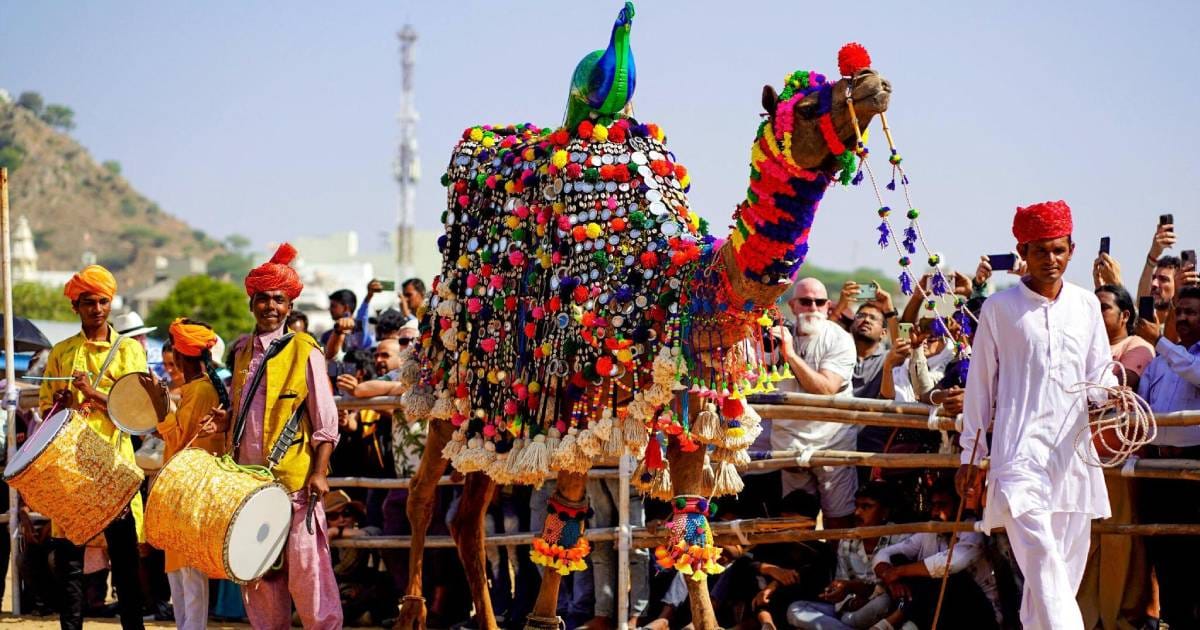
The Pushkar Camel Fair is Rajasthan's most iconic festival of livestock trading event and religious pilgrimage. Thousands of camels, horses, and cattle are groomed, decorated, and traded against a backdrop of golden desert dunes. There are camel races, turban-tying competitions, folk music, handcraft shopping, and a holy dip in Pushkar Lake for pilgrims. It's chaotic, colorful, and utterly unlike anywhere else on earth.
It is one of the most photographed events in India, and for a good reason.
Durga Puja
Where: Kolkata, West Bengal
When to visit: Usually September or October; dates shift yearly
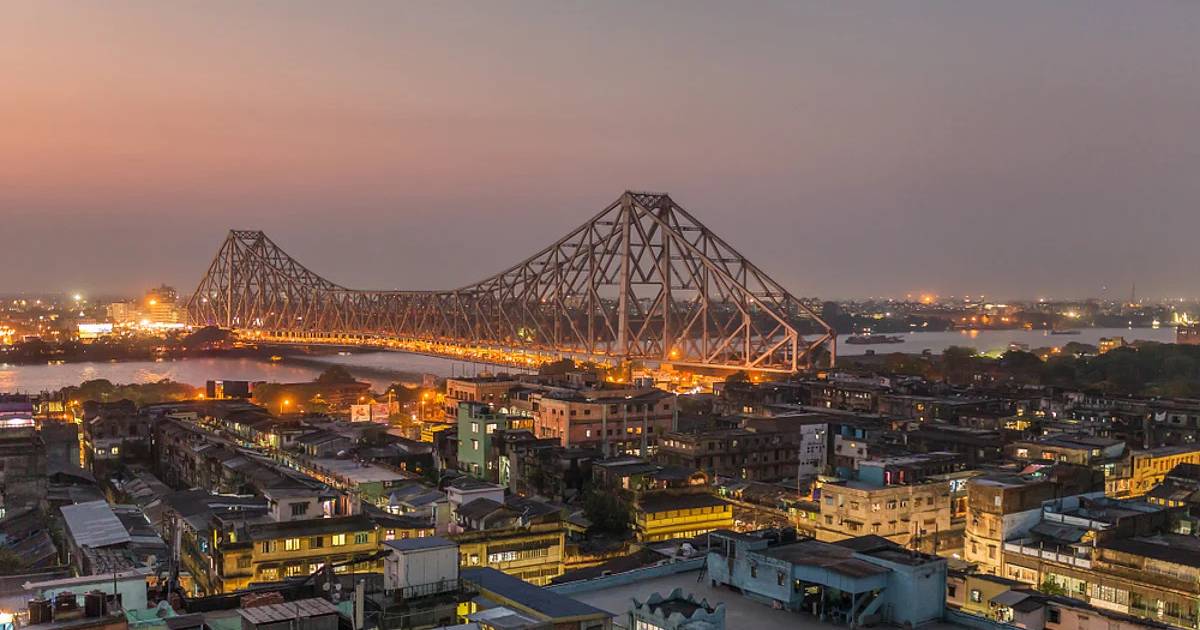
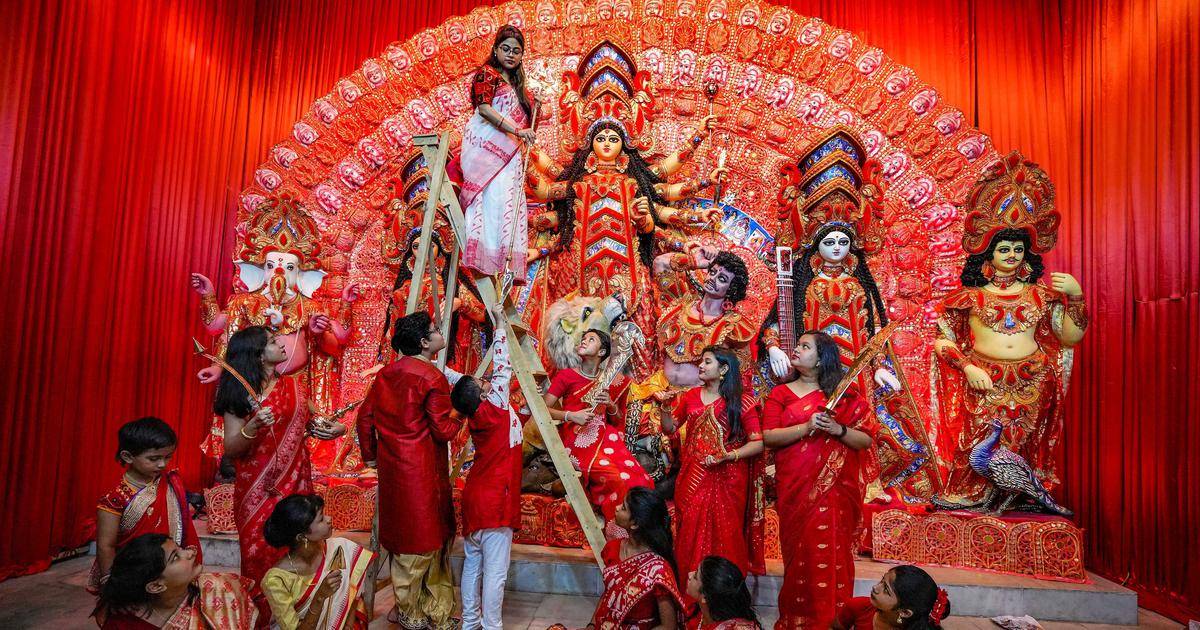
Durga Puja is less a festival and more a five-day, city-wide art exhibition. It is Bengal's grandest festival, celebrating the goddess Durga. Entire neighborhoods transform into open-air galleries as elaborate pandals (temporary decorated structures) rise overnight, each housing an artfully sculpted idol of the goddess. Streets fill with pandal-hopping crowds, dhak drummers, incense smoke, and the aroma of street food. It's devotional, artistic, and electric with community spirit, Kolkata at its most alive.
UNESCO added it to the Intangible Cultural Heritage list in 2021
Onam
Where: Kerala (Thrissur, Alleppey, Kochi, Thiruvananthapuram)
When to Visit: August or September; confirm dates for the travel year
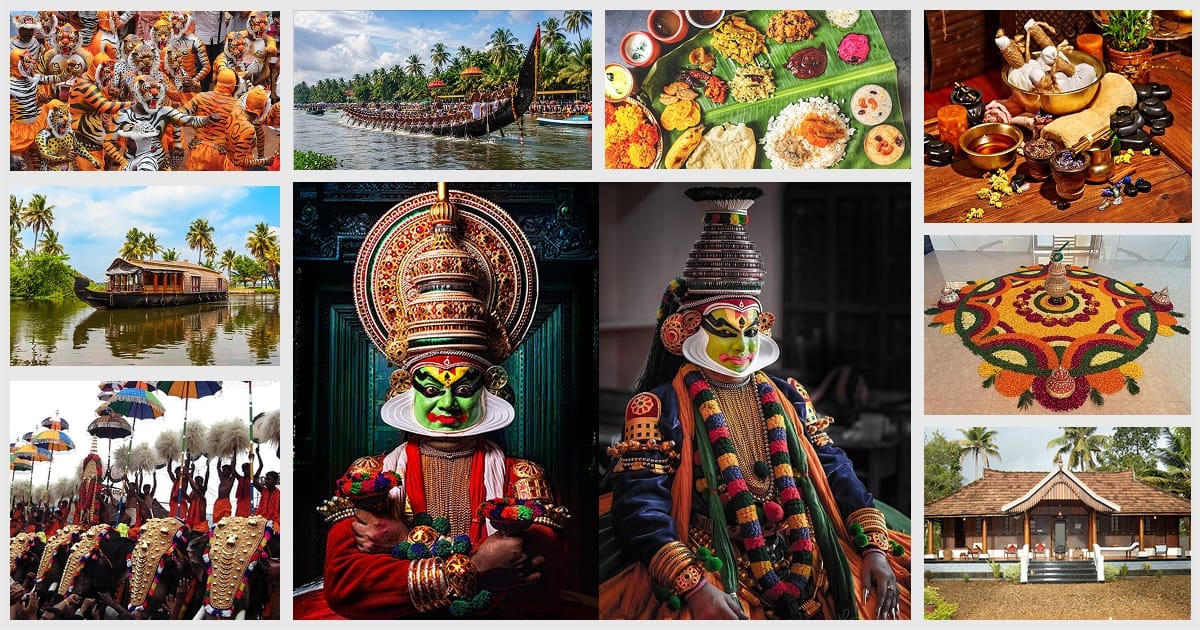
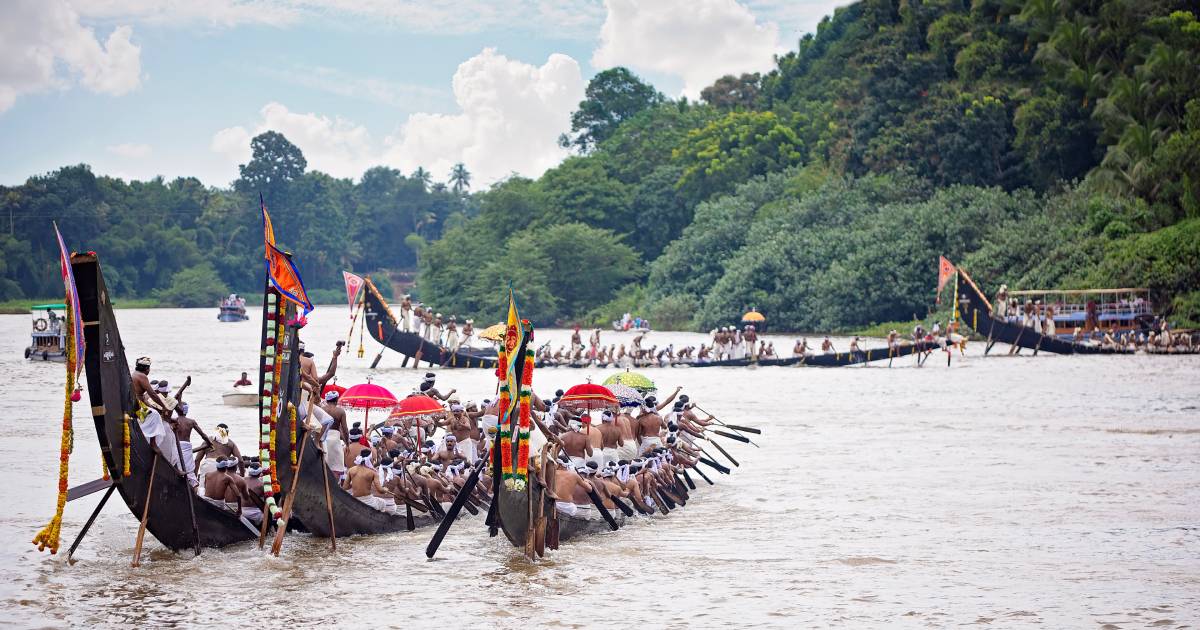
Onam is Kerala's biggest festival, a 10-day harvest celebration. Onam is more than a festival to watch; it is an experience to participate in. The smell of a freshly prepared sadya (a traditional feast served on a banana leaf), flowers arranged outside homes, traditional clothes, music and the excitement around boat races all come together to create a distinctly Kerala experience.
Why Indian Festivals Have Become a Bucket-List Experience
Visiting India during a major festival offers something beyond sightseeing. Streets become gathering places, markets fill with colour, traditional food takes centre stage, and centuries-old customs become part of everyday life. Participation in a private household celebration requires an invitation; it is not a promised part of a journey.
Here are some of the experiences that make Indian festivals worth adding to a travel bucket list.
Experience India Beyond Its Tourist Attractions
India's famous monuments and landscapes tell only part of its story but festivals allow tourists to see how people actually celebrate, worship, eat, socialise and preserve traditions.
Witness Centuries-Old Traditions
Many Indian festivals have deep historical and religious roots. Rather than simply looking at a historical monument, visitors get to see living traditions taking place around them.
See India at Its Most Colourful
Indian festivals are naturally photogenic. For photographers and tourists who enjoy documenting their journeys, festivals provide countless opportunities to capture everyday life alongside spectacular celebrations.
Taste Festival Food
Food is one of the easiest ways for international visitors to connect with Indian culture. Exploring local markets, sweet shops and family-run eateries during a festival can become an experience in itself.
Join the Celebration
One of the biggest attractions of Indian festivals is that many celebrations take place in public spaces. The sense of participation can make the journey feel much more personal.
Discover Different India in Different Festivals
India does not have one single festival culture. Visiting Kerala during Onam encounters boat races, floral decorations and traditional feasts. In Kolkata during Durga Puja, beautifully designed pandals, artistic installations and community celebrations dominate the city. In Rajasthan, festivals and fairs can introduce visitors to folk music, crafts, traditional dress and desert culture.
Experience Traditional Music and Dance
Festivals frequently bring performances out of theatres and into streets, temples, courtyards and public spaces. Depending on where you travel, you might encounter classical performances, folk dances, devotional music, drumming or colourful processions.
Experience Indian Hospitality
Festivals bring people together, making them a natural opportunity for cultural interaction.
You don't just see India at a festival - you get folded into it, even if just for a day.
Tips for Foreign Tourists Attending Indian Festivals
- Follow local customs and etiquette
- Dress modestly and comfortably
- Join celebrations with cultural sensitivity
- Reserve accommodation well in advance
- Taste regional dishes and explore local traditions
- Stay alert with belongings in busy places
- Ask before photographing people or ceremonies
- Carry essentials like water, ID, and cash
Frequently Asked Questions (FAQs)
What are popular Indian festivals?
Some of India’s most celebrated festivals include Diwali, Holi, Durga Puja, Navratri, Onam, Ganesh Chaturthi, Pushkar Camel Fair, and the Hornbill Festival.
Which Indian festival is known for colours?
Holi is known as the Festival of Colours, celebrated with coloured powders, music, dancing, festive food, and gathering
What is the best festival in India for first-time visitors?
Diwali and Holi are popular choices for first-time visitors because they are celebrated across many parts of India and offer colourful, lively cultural experiences.
When is the best time to visit India for festivals?
India has festivals throughout the year. October to November is especially lively, with celebrations such as Diwali, while Holi usually takes place in March.
What should tourists know before attending an Indian festival?
Respect local customs, dress appropriately for the occasion, ask before photographing people, keep valuables secure in crowded areas, and follow local instructions during public celebrations.