Kolkata is a city that takes its time. It doesn’t always impress you in the first few hours, but once you start walking through its old lanes, sitting at a roadside tea stall, watching trams pass through historic neighbourhoods, or tasting a plate of kosha mangsho with luchi or phuchka, the city slowly begins to make sense.
Kolkata is most interesting when you stop trying to cover it like a checklist of tourist attractions. The real charm appeared between the famous places- in the colonial buildings of B.B.D. Bagh, the bookshops and cafes around College Street, the old houses of North Kolkata, the smell of fresh sweets in neighbourhood shops, and the evening crowds along the Hooghly.
If you are planning a trip, this Kolkata travel guide covers the city's heritage, culture, food, famous attractions, shopping, and practical travel tips.
Kolkata at a Glance
Best known for: Colonial heritage, Bengali culture, literature, art, sweets and food
Best time to visit: October to March
Ideal duration: 3–4 days
Languages: Bengali, Hindi and English are widely spoken
Famous food: Macher jhol, kosha mangsho, luchi-aloo dum, kathi rolls, mishti doi and rasgulla
Famous experiences: Exploring old Kolkata, visiting Victoria Memorial, walking around College Street, enjoying Bengali food and watching the sunset by the Hooghly
Best Places to Visit in Kolkata
1. Victoria Memorial - Kolkata's Most Recognisable Landmark
The first impression of Victoria Memorial one can have is how beautifully it stands against the open green space around it. The white marble building is one of Kolkata's most recognisable sights and is closely associated with the city's colonial-era history.
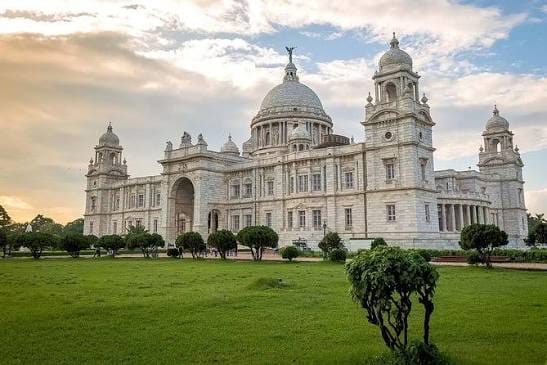
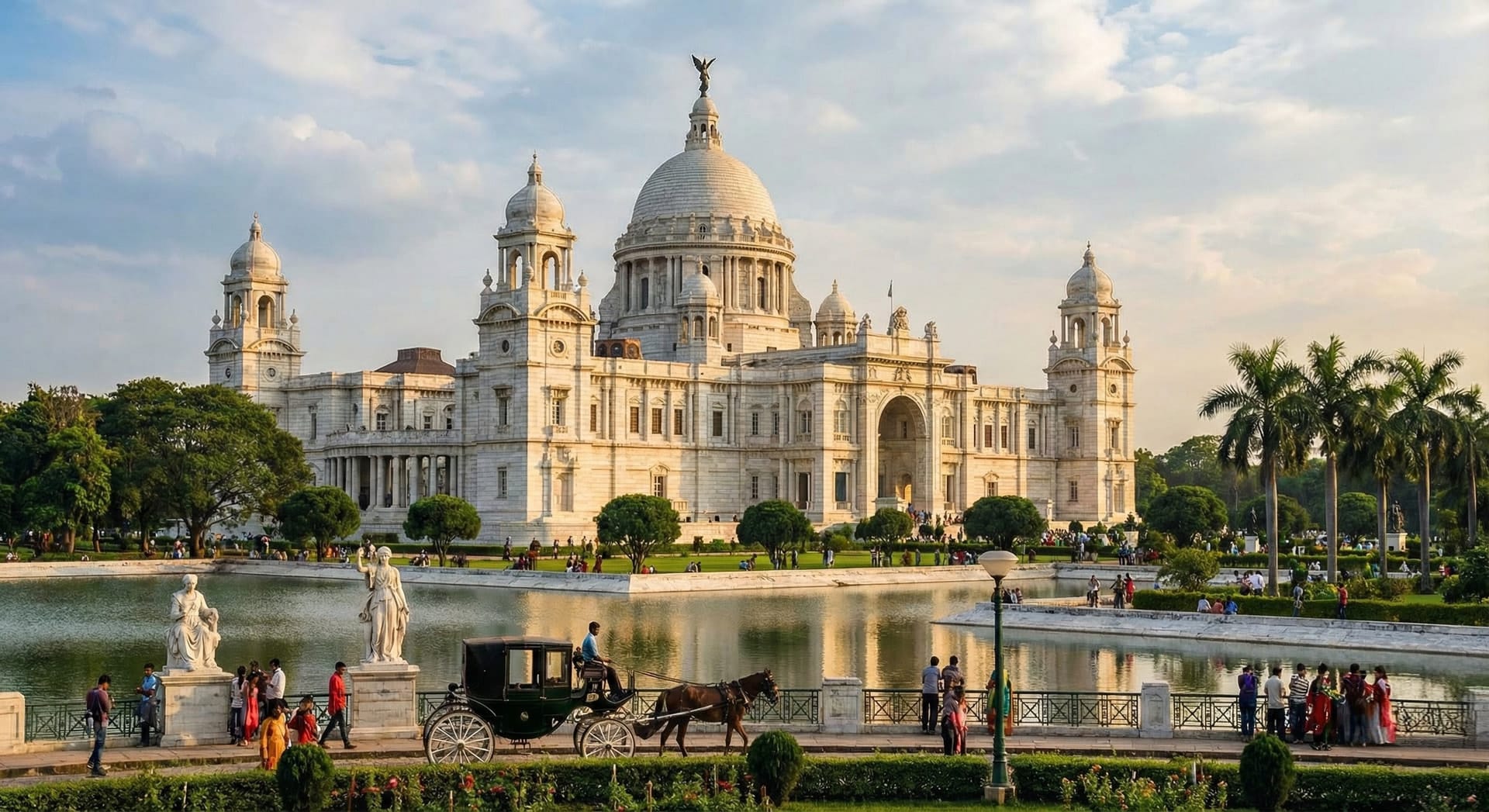
The surrounding gardens make it worth visiting even if you are not particularly interested in museums. The area especially pleasant in the early morning and later in the afternoon, when the light softens the appearance of the monument.
Inside, the museum provides an introduction to Kolkata's colonial past, with paintings, manuscripts, historical objects and other collections.
Best for: History, architecture, photography and leisurely walks
2. Howrah Bridge - The City in Motion
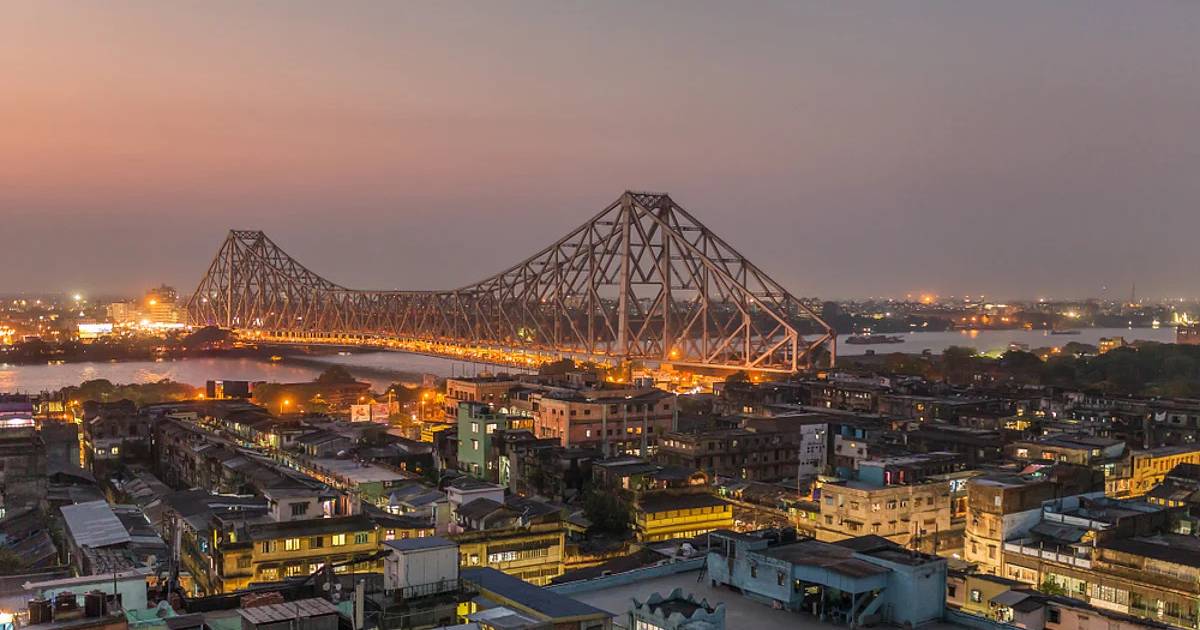
You cannot really talk about Kolkata without mentioning Howrah Bridge.
Officially known as Rabindra Setu, the bridge connects Kolkata with Howrah across the Hooghly River. What makes it memorable is not just the structure itself but the movement around it.
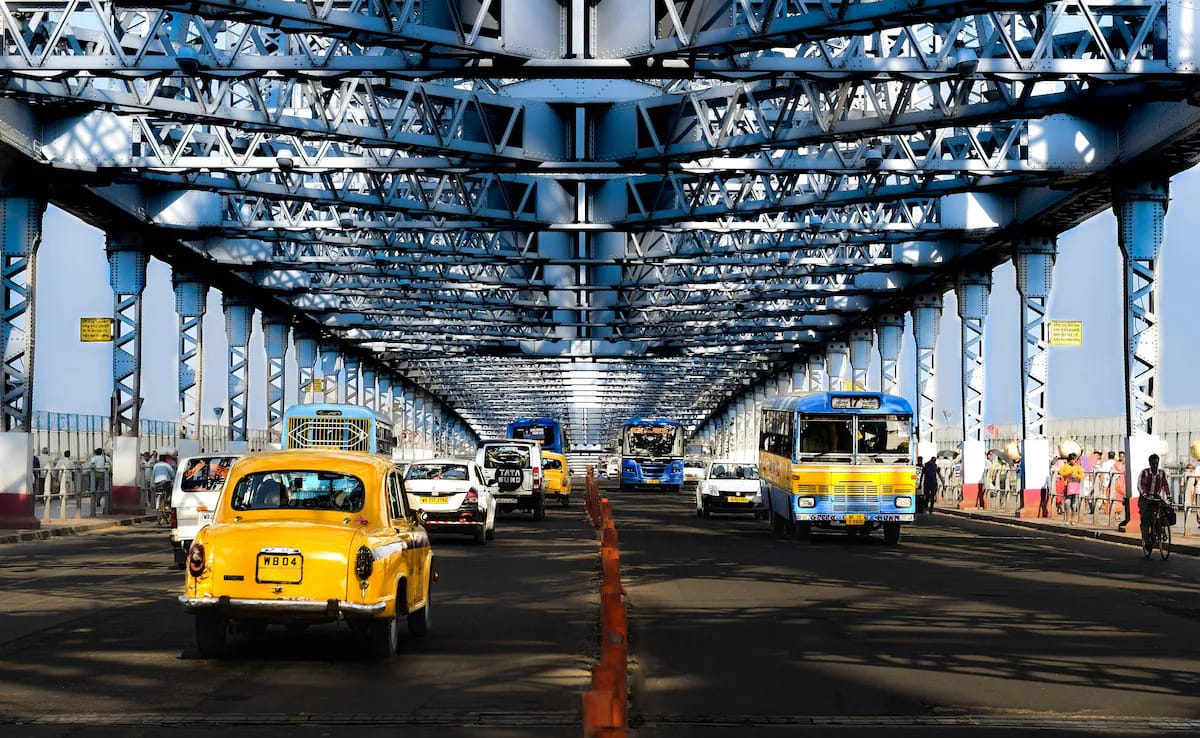
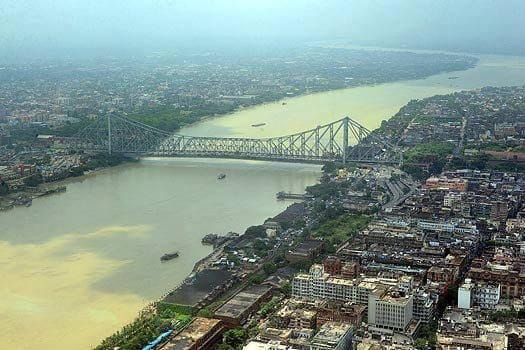
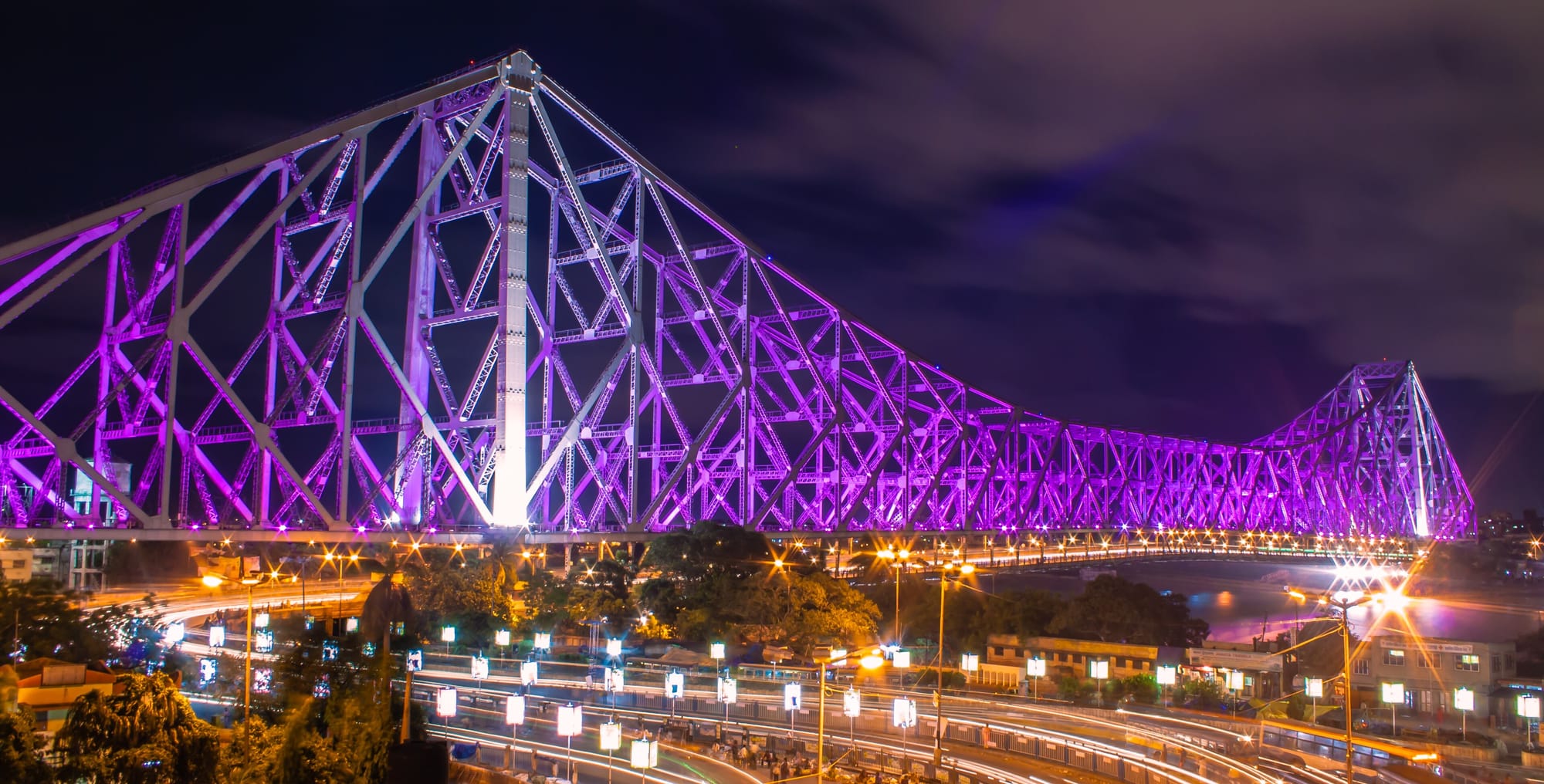
Standing near the river and watching buses, taxis, pedestrians and vehicles cross the bridge gives you a sense of Kolkata's everyday rhythm.
You can simply enjoy seeing the bridge from the riverfront rather than simply crossing it by road.
Best for: Photography, city views and experiencing Kolkata's daily life
3. Indian Museum - A Journey Through India's Past
The Indian Museum is one of the places you should keep plenty of time for. It is not the kind of attraction you can properly experience in a quick 30-minute visit.
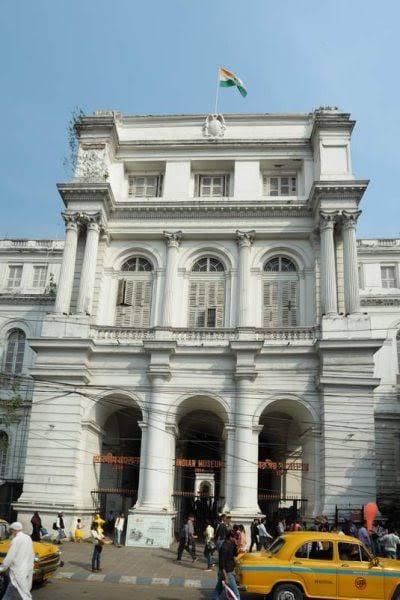
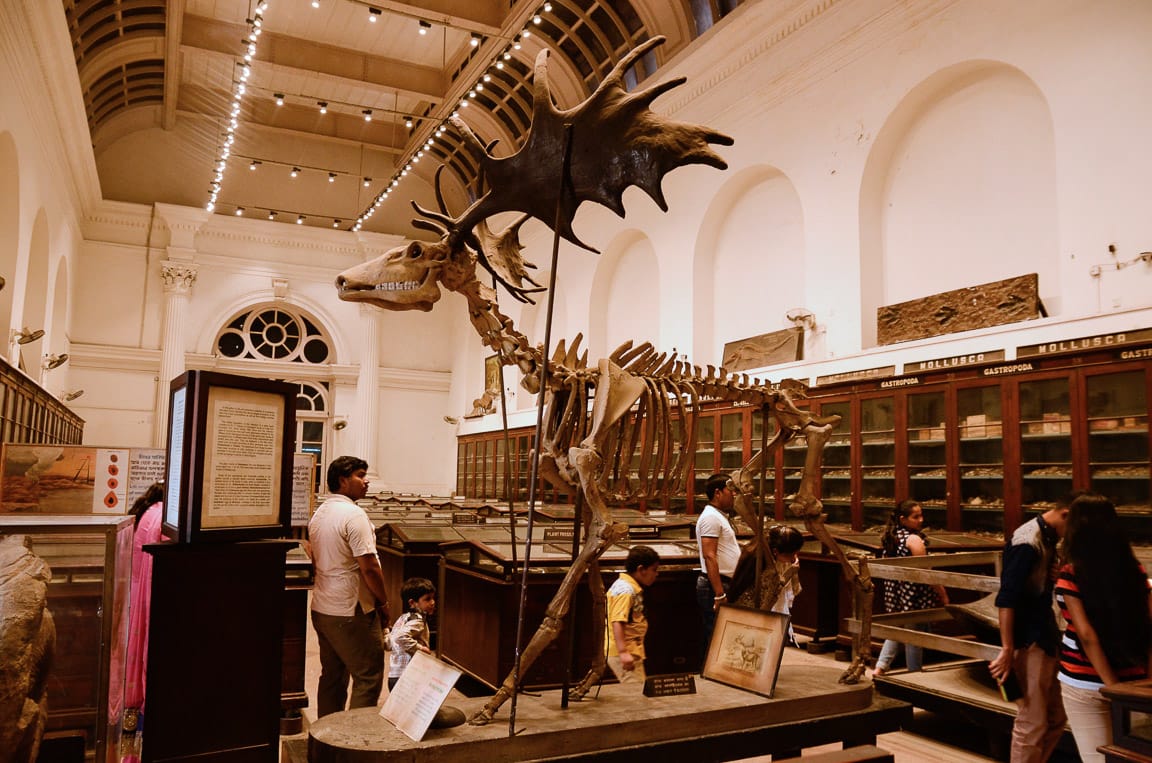
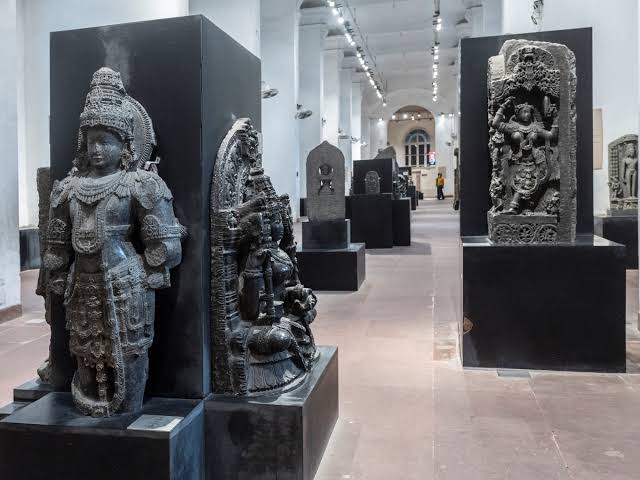
The collections cover archaeology, art, anthropology, geology and natural history. The museum offers a fascinating glimpse into India's enormous cultural and historical diversity.
If museums are your thing, this can easily take up several hours.
Best for: History, archaeology and culture
4. St. Paul's Cathedral - Peace in the Middle of the City
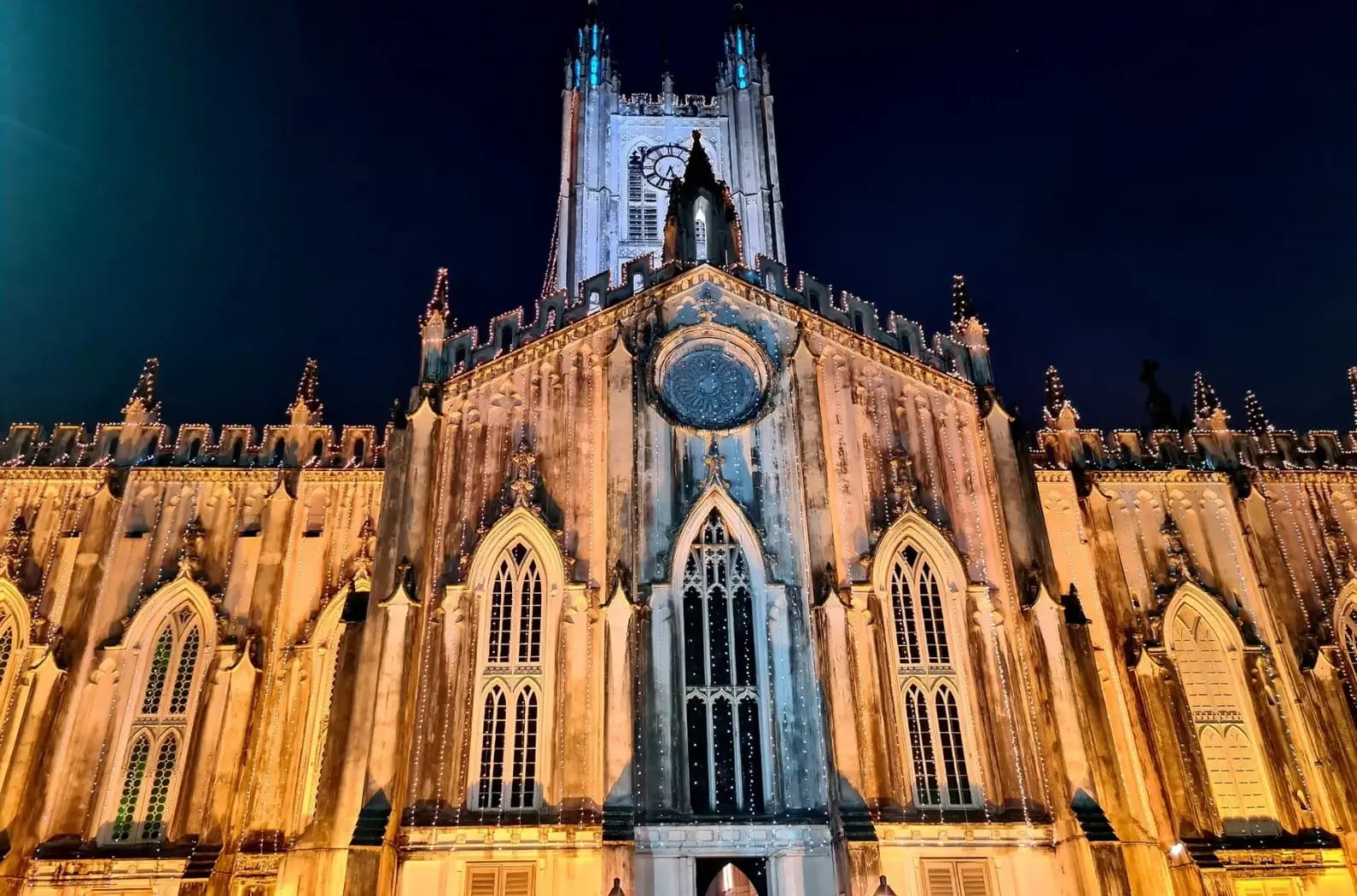
Not far from Victoria Memorial is St. Paul's Cathedral, a striking example of Gothic Revival architecture.
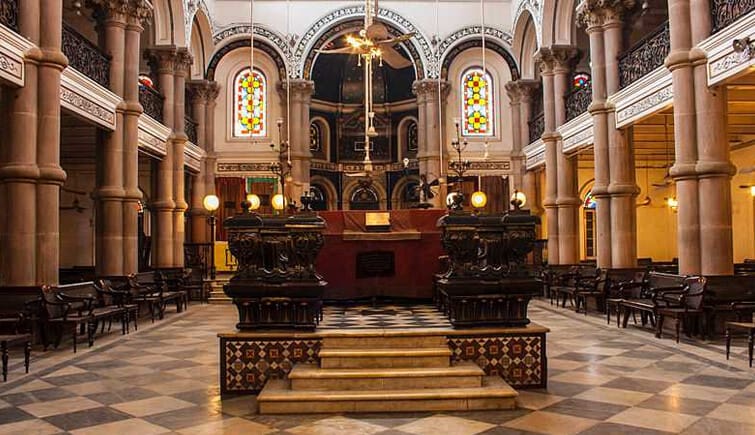
The atmosphere is calm here because it feels noticeably quieter than many of Kolkata's busy streets. The cathedral's interiors, stained-glass windows and surrounding grounds provide a peaceful break during a day of sightseeing.
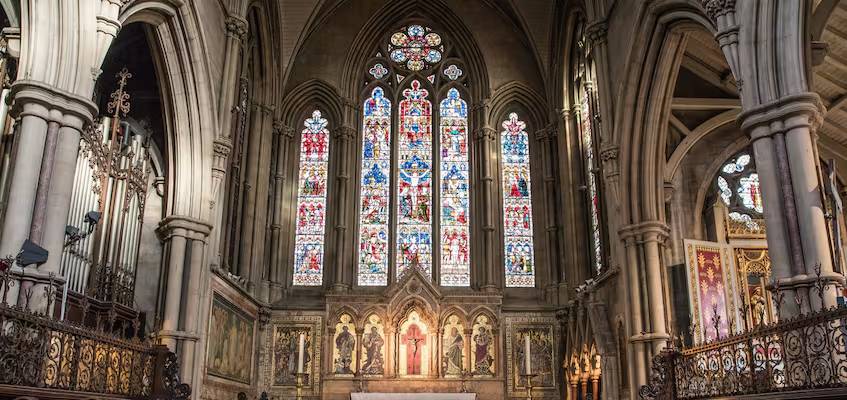
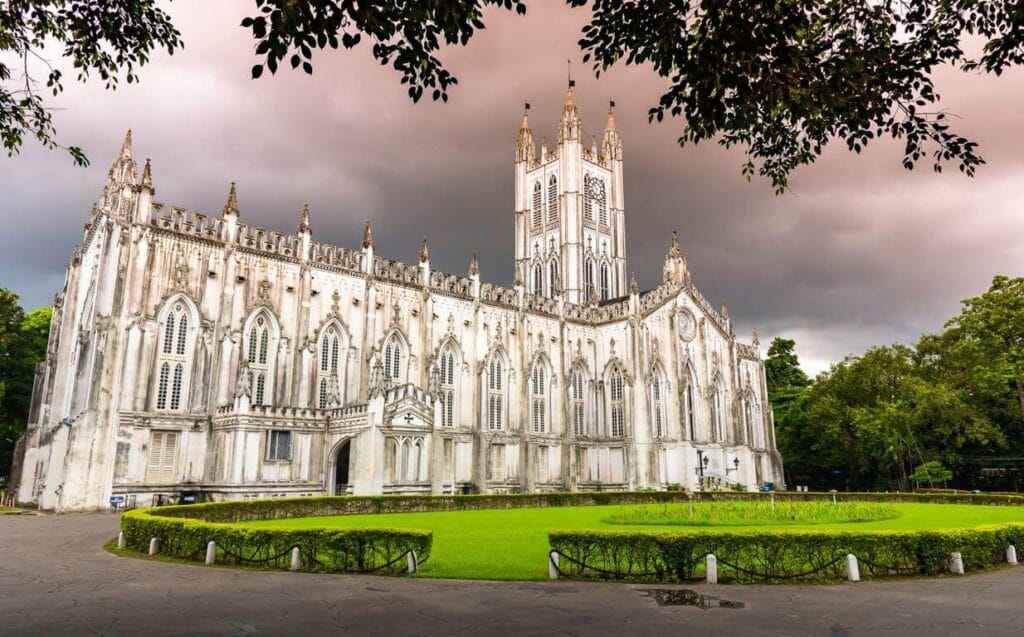
It is easy to combine this visit with Victoria Memorial and the Maidan area.
Best for: Architecture, history and quiet moments
5. Park Street - Kolkata's Lively Food and Nightlife Hub
Park Street has a completely different personality.
The area is known for restaurants, cafes, bakeries, pubs and long-established eateries. This area particularly becomes enjoyable around evening, when the street becomes lively and people come out for dinner, coffee and drinks.
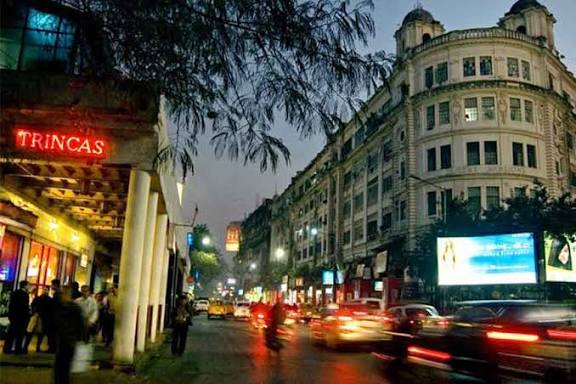
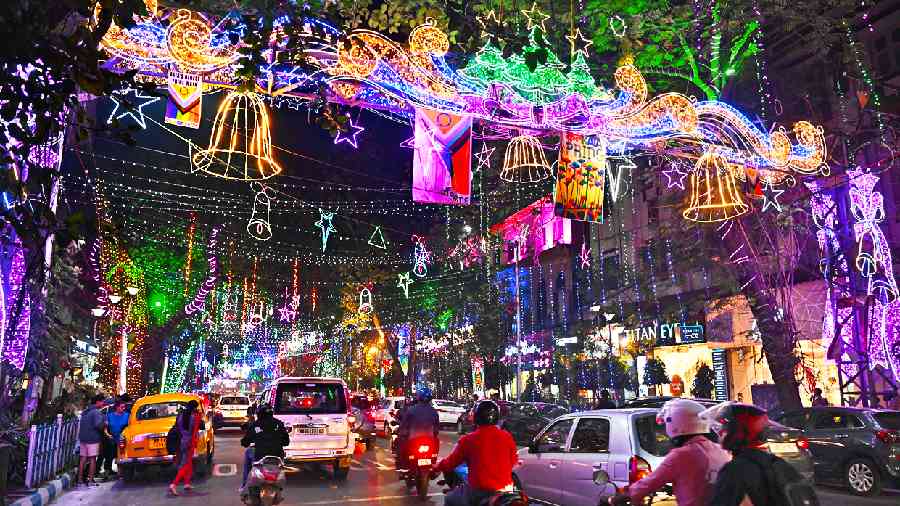

During Christmas, Park Street takes on an especially festive atmosphere, with lights and decorations transforming the area.
Best for: Food, cafes, nightlife and evening walks
6. College Street - Where Kolkata's Literary Soul Lives
If you love reading, College Street can easily become one of your favourite places in Kolkata.
Books seem to be everywhere here. Small shops and stalls line the streets, with everything from academic texts to old and second-hand books.
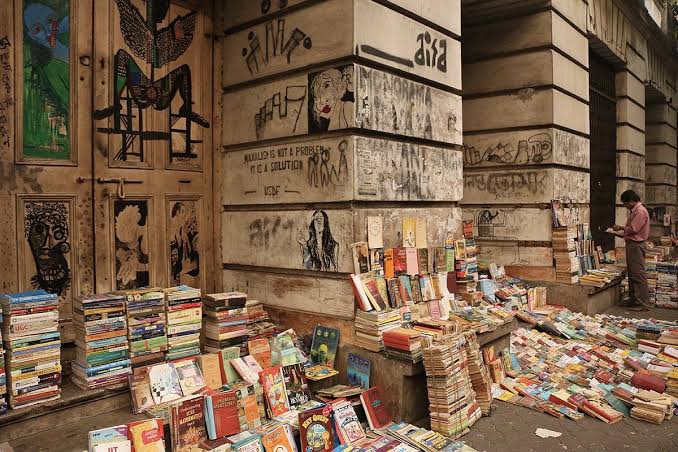
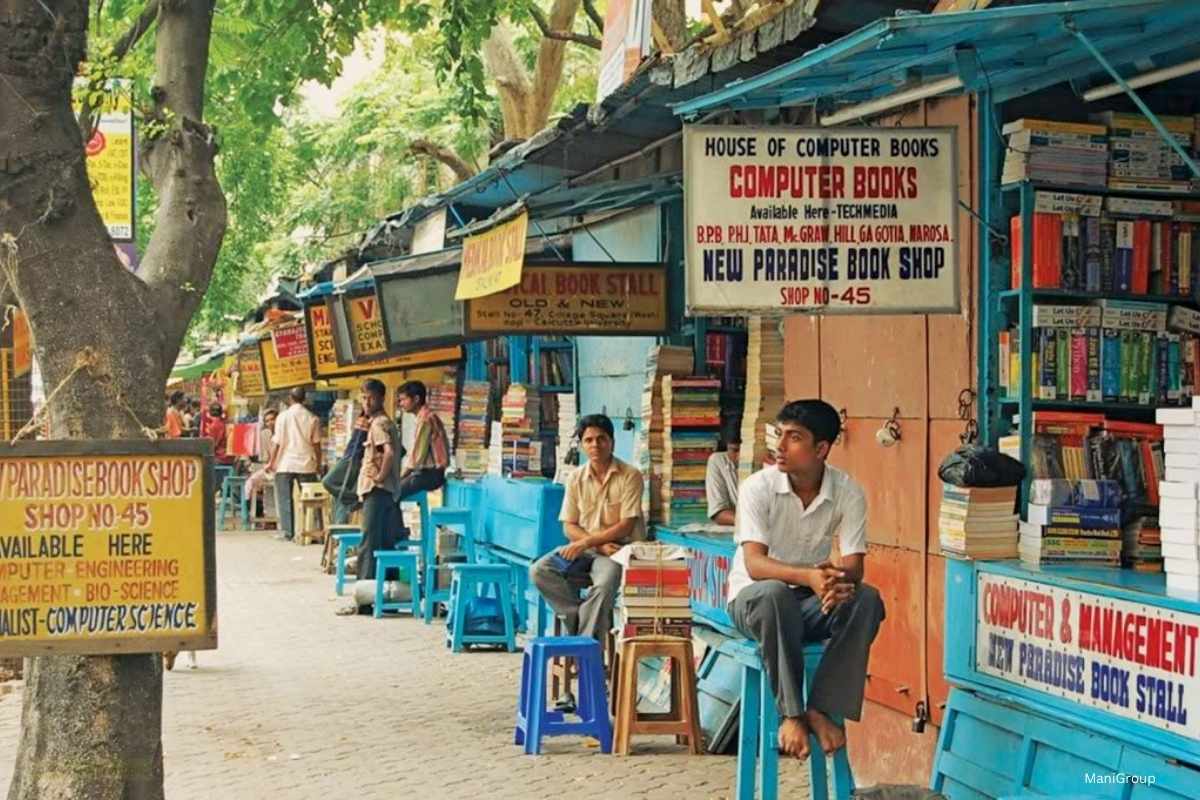
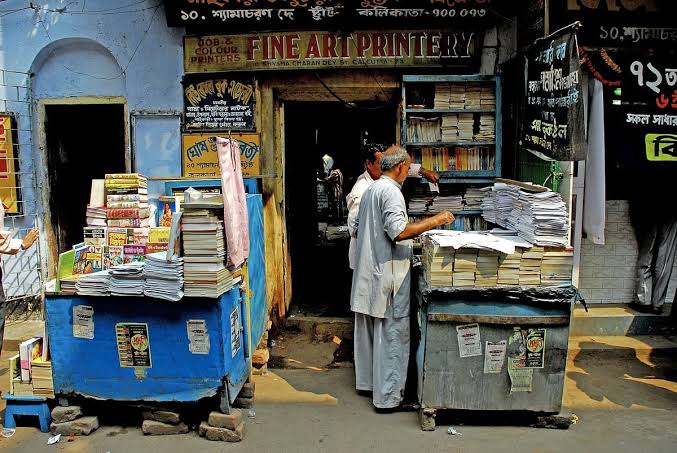
The area is also home to the famous Indian Coffee House, which has long been associated with Kolkata's intellectual and literary culture.
Even if you are not a serious reader, walking through College Street is an experience in itself.
Best for: Books, literature, cafés and local culture
7. Kumartuli - Meet Kolkata's Idol Makers
Kumartuli gives you a completely different perspective on Kolkata.
This traditional potters' quarter is known for its artisans who create clay idols, particularly Durga idols. Walking through the narrow lanes and seeing artists shaping figures by hand makes you appreciate the amount of work behind Kolkata's famous Durga Puja celebrations.
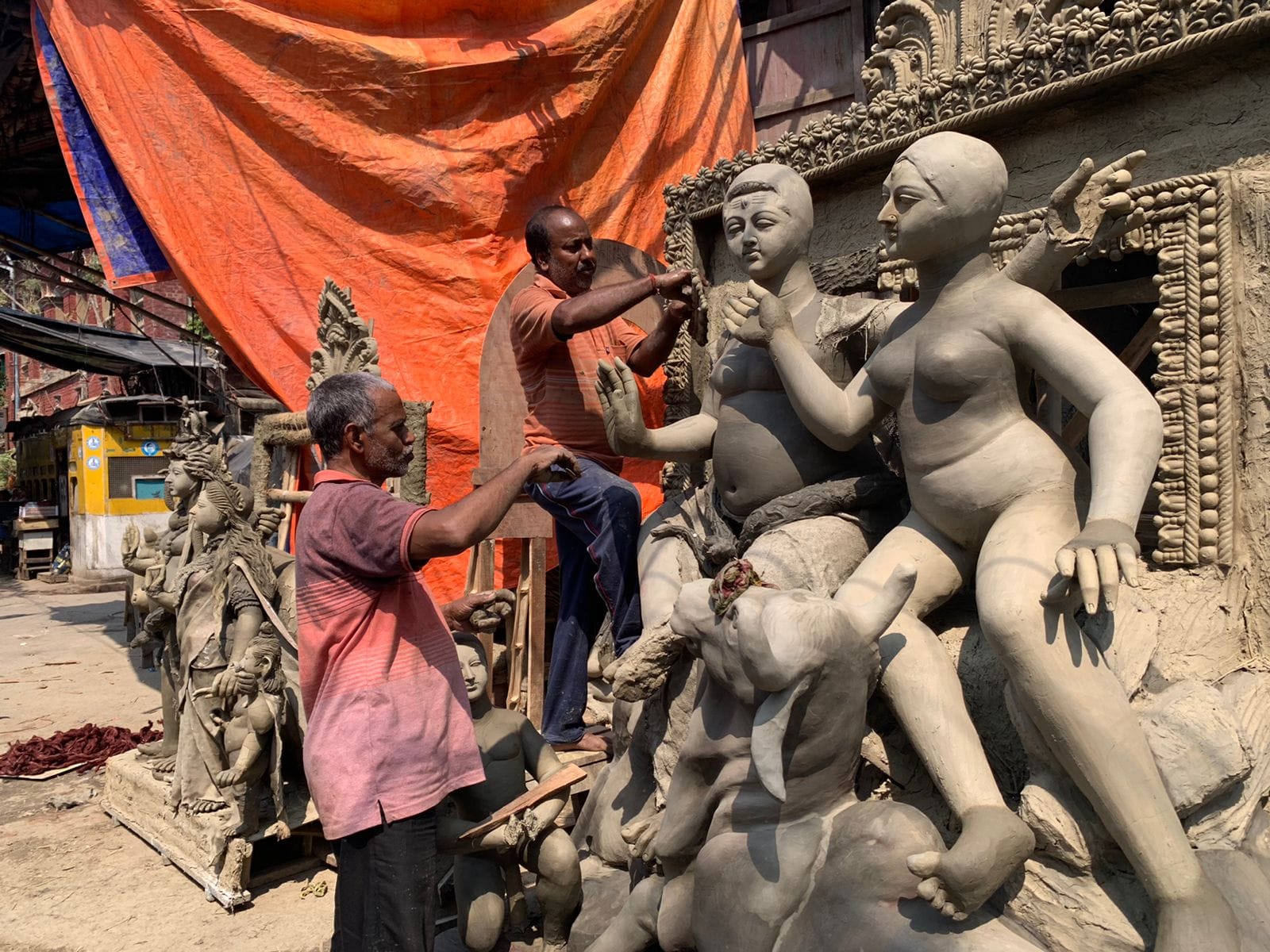
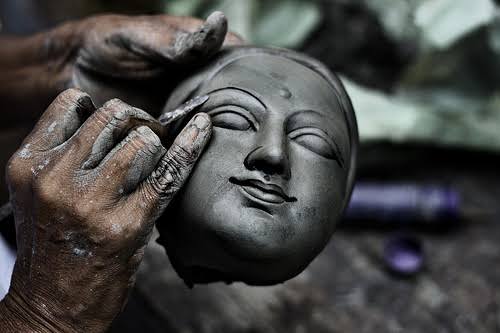
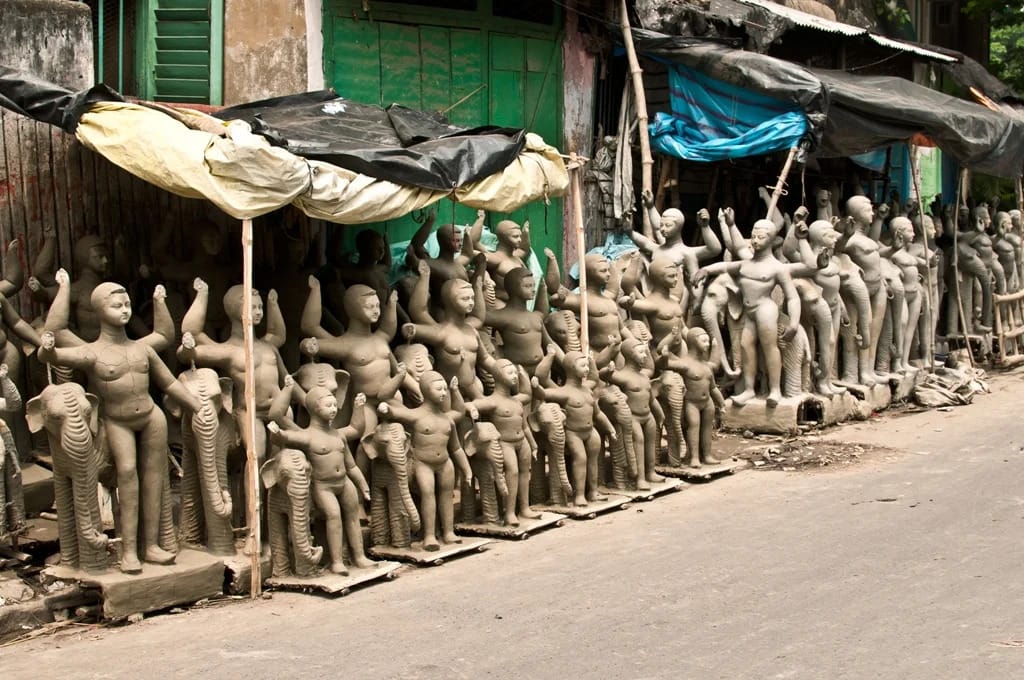
If you visit before Durga Puja, the neighbourhood can be especially fascinating because the workshops become incredibly busy.
Best for: Art, photography and understanding Bengali traditions
8. Dakshineswar Kali Temple
Located beside the Hooghly River, Dakshineswar Kali Temple is one of Kolkata's best-known religious landmarks.
The temple complex is associated with the 19th-century mystic Ramakrishna Paramahamsa and attracts devotees throughout the year.
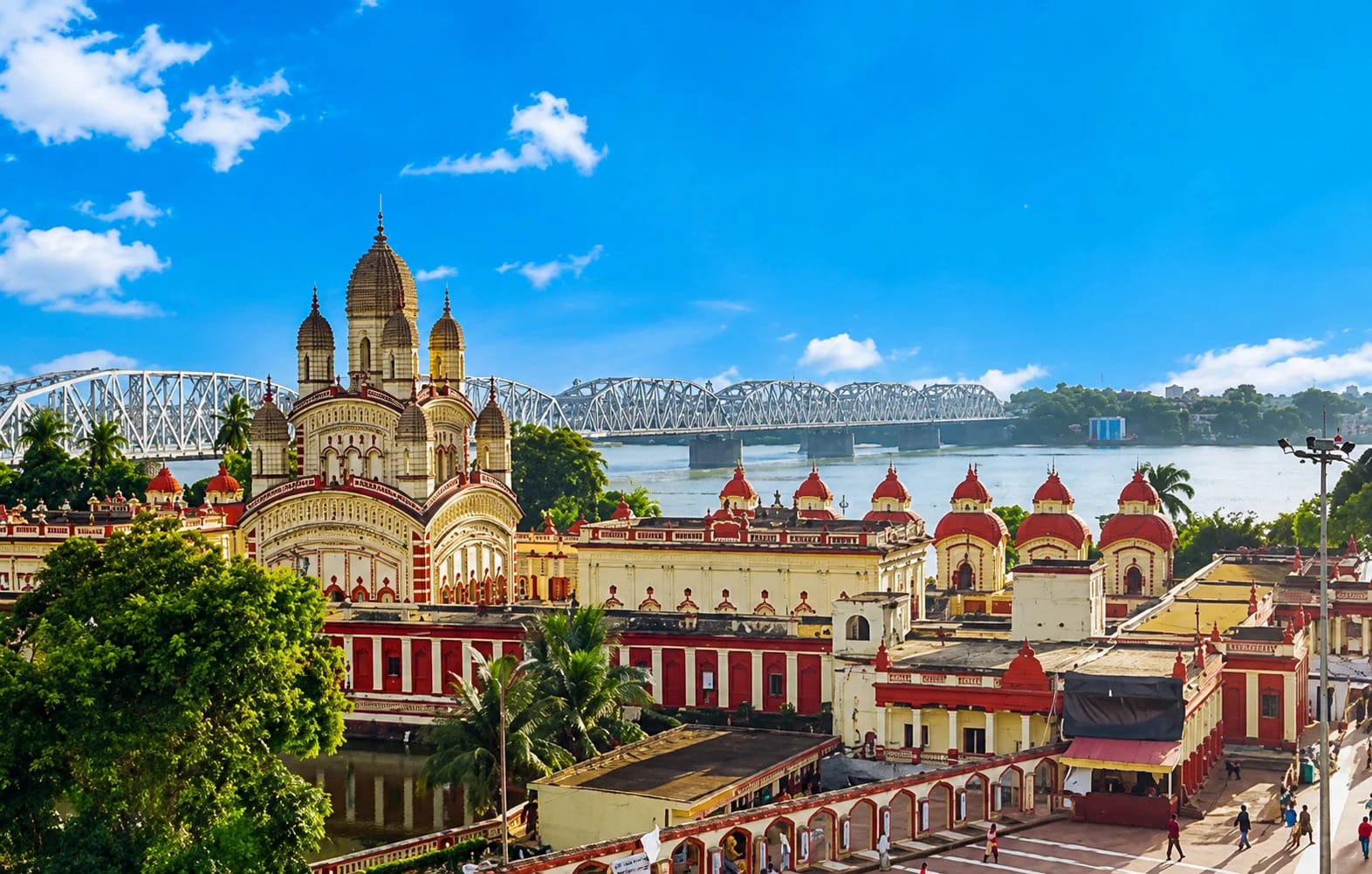
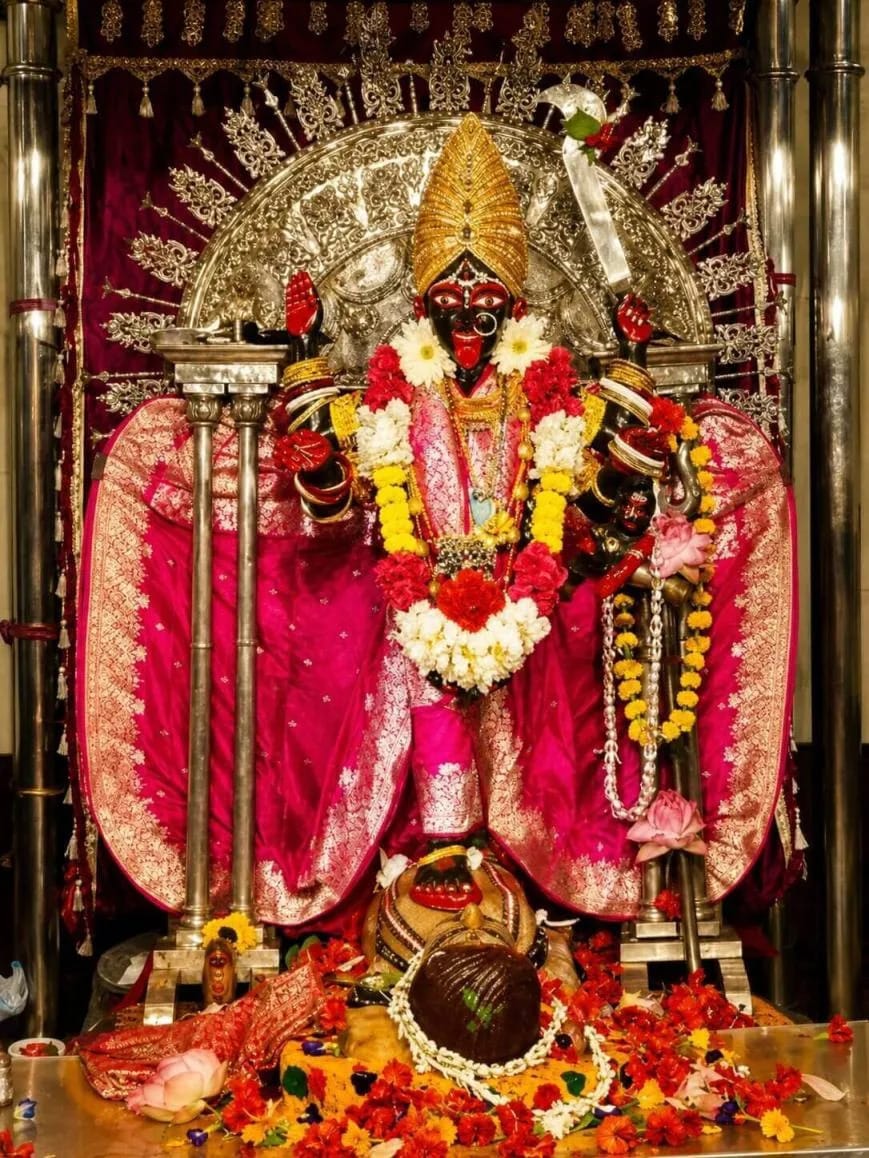
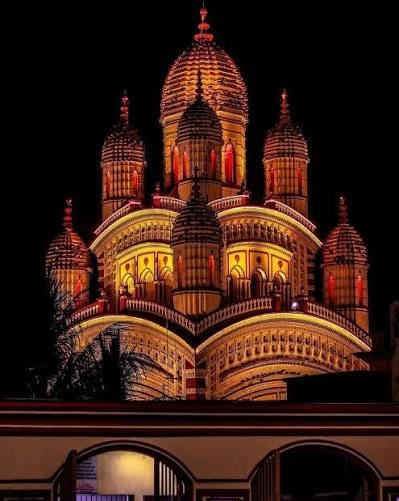
The beautiful riverside setting can make the experience particularly memorable.. The temple's architecture and the atmosphere around the complex make this more than simply a sightseeing stop.
Best for: Spiritual experiences, architecture and photography
9. Kalighat Temple
Kalighat is one of Kolkata's most important religious sites and is dedicated to Goddess Kali.
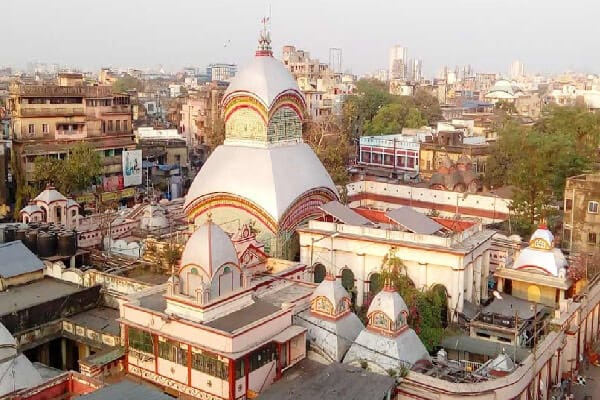
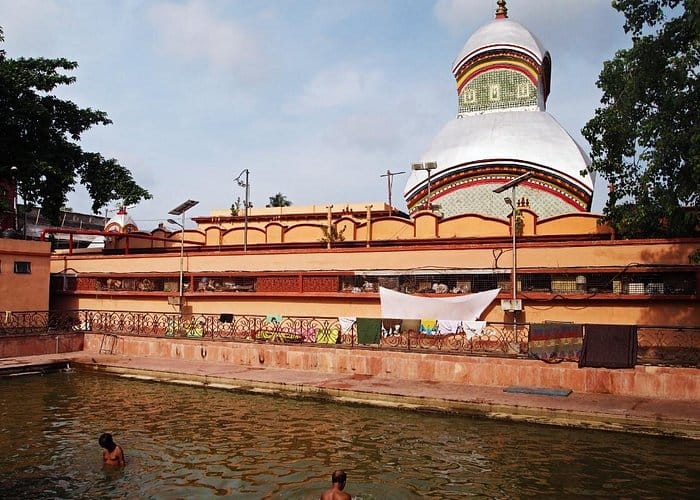
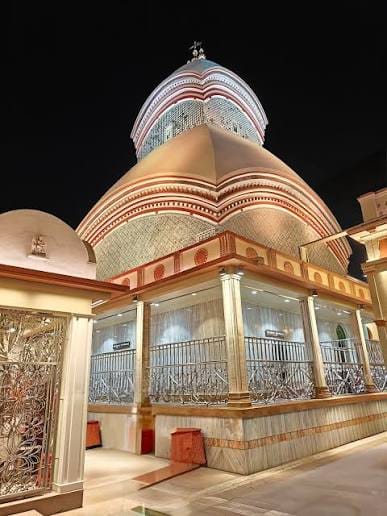
The area around the temple is busy, colourful and distinctly Kolkata. It is worth remembering that this is a functioning place of worship rather than simply a tourist attraction, so visitors should be respectful of devotees and temple customs.
Best for: Spiritual and cultural experiences
10. Princep Ghat - A Beautiful Place for an Evening
Princep Ghat offers a place to slow down after a busy day.
The elegant Palladian-style monument sits beside the Hooghly, with the Vidyasagar Setu visible in the distance. The riverside becomes especially pleasant around sunset.
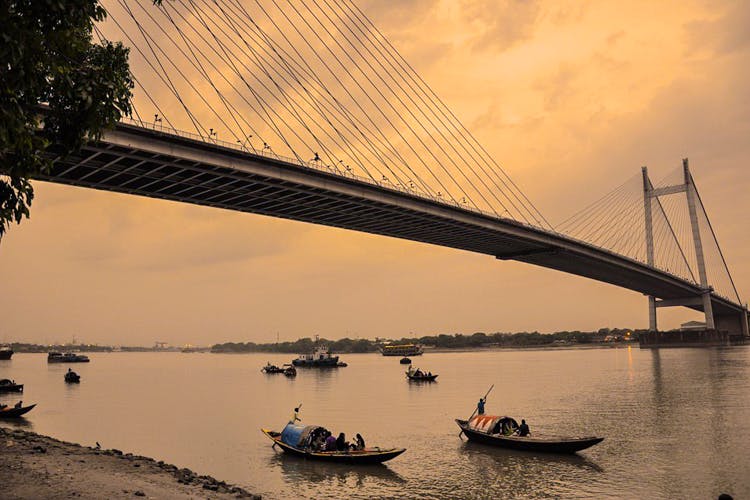
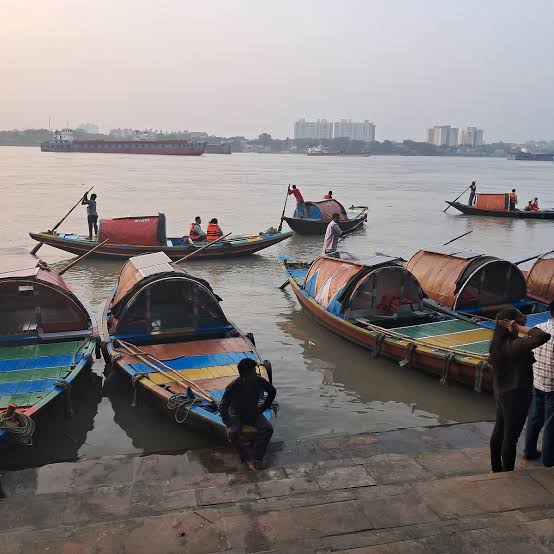
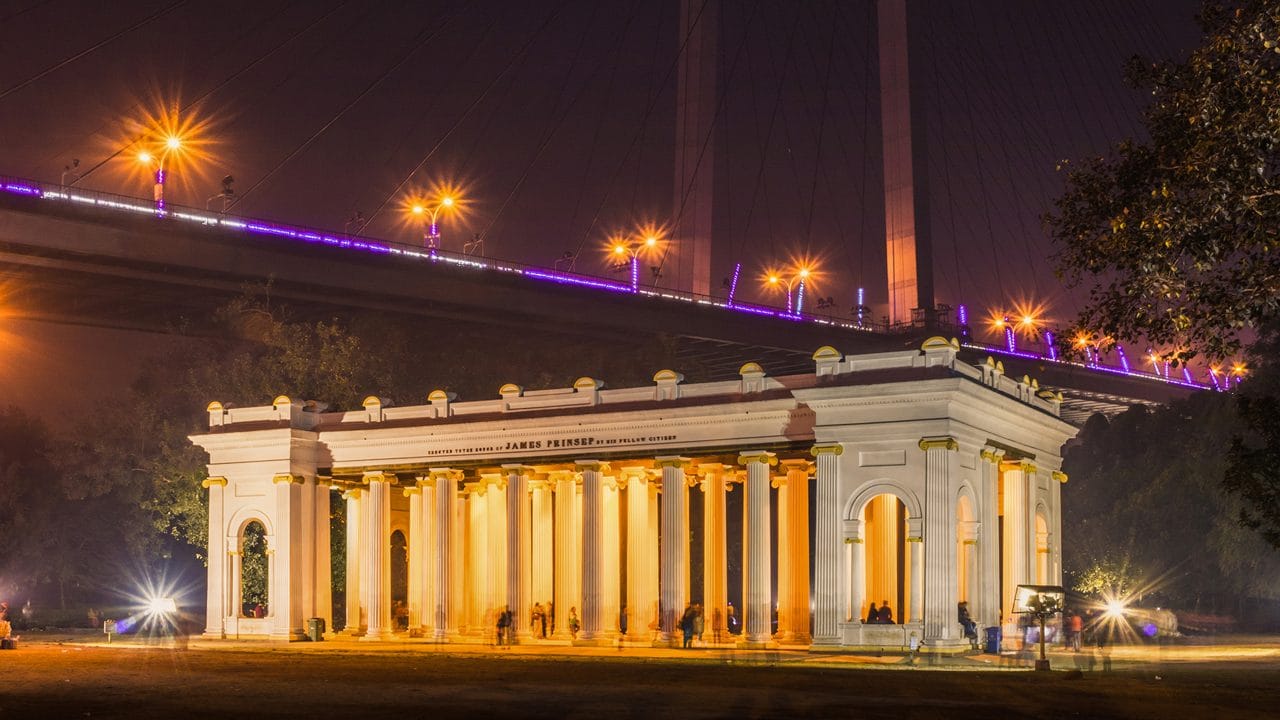
You can simply sit by the river, take photographs or enjoy a boat ride.
Best for: Sunset, photography, couples and relaxed evenings
Kolkata's Food: What You Should Try
Bengali cuisine goes far beyond fish and rice. There is a wonderful balance of flavours, textures and cooking styles, and the city's street food adds another layer to the experience.
Foods I Would Not Miss (Veg)
Luchi and aloo dum - Soft, deep-fried luchis served with spicy potato curry make a wonderful breakfast.
Aloo posto - Potatoes cooked with poppy seeds, usually served with steamed rice. It is simple, comforting and distinctly Bengali.
Shukto - A traditional mixed-vegetable dish with a mildly bitter flavour, often enjoyed at the beginning of a Bengali meal.
Cholar dal - A lightly sweet and aromatic Bengal-style lentil preparation that pairs particularly well with luchi.
Begun bhaja - Thick slices of eggplant seasoned and fried until soft inside and crisp around the edges.
Dhokar dalna - Fried lentil cakes cooked in a gently spiced gravy; a great option if you want to try something different from everyday dal.
Mochar ghonto - A traditional preparation made with banana blossom and spices, often served with rice.
Phuchka - Kolkata's version of pani puri, usually served with a spicy, tangy filling.
Mishti doi - Sweetened, fermented yoghurt served chilled.
Sandesh - A delicate Bengali sweet made primarily from fresh chhena.
Rasgulla - Soft chhena dumplings soaked in light sugar syrup.
A memorable meal in Kolkata does not require a fancy restaurant. Some of the most satisfying food experiences can happen at modest neighbourhood eateries.
Kolkata's Cultural Side
Kolkata has long been associated with literature, theatre, music, cinema and the arts.
And then there is Durga Puja.
During the festival, Kolkata changes completely. Neighbourhoods create elaborate pandals, streets remain busy late into the night, and people move from one part of the city to another simply to see different installations.
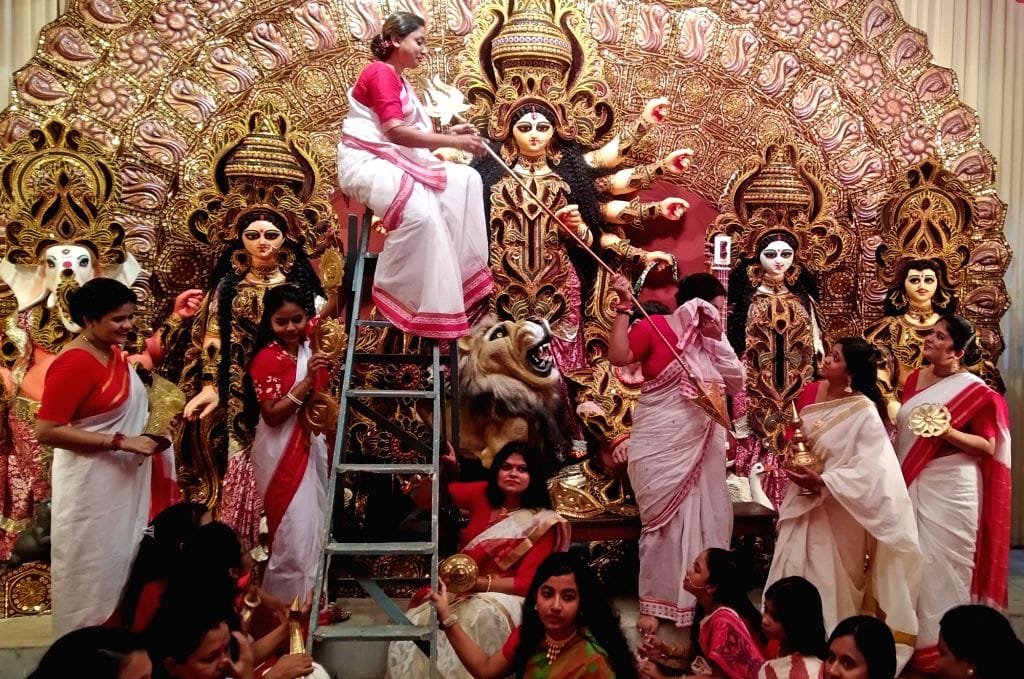
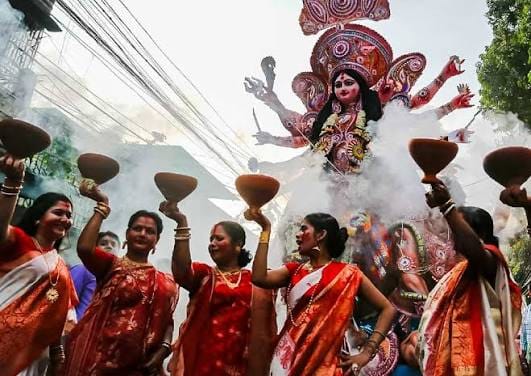
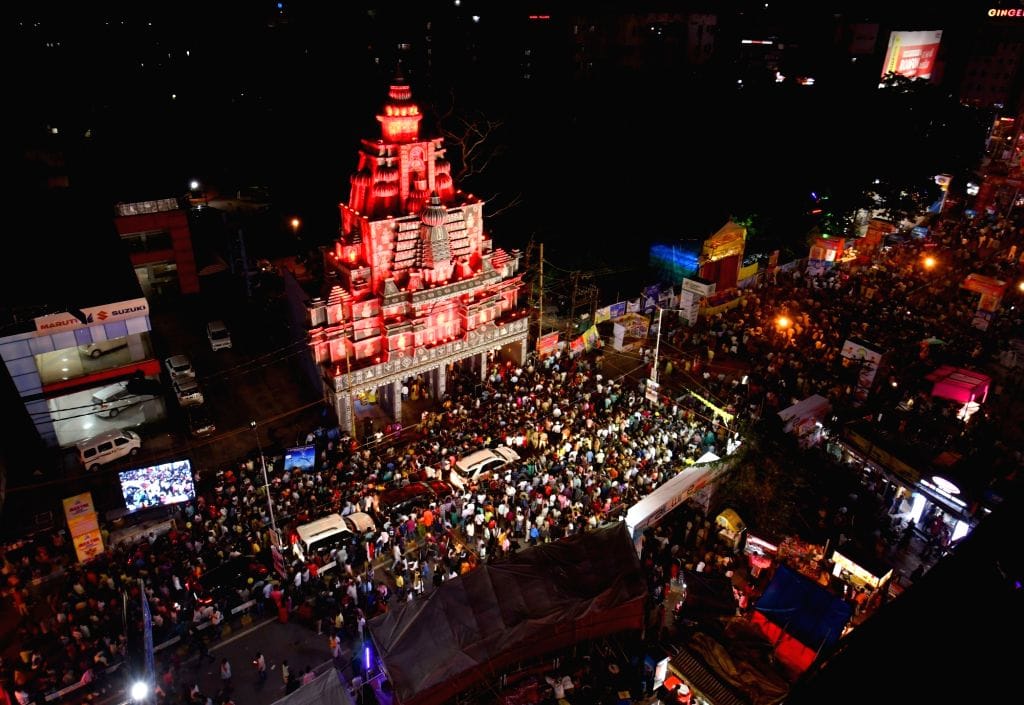
If you happen to visit during Durga Puja, you will experience a version of Kolkata that is difficult to describe in an ordinary travel itinerary.
Shopping in Kolkata
Kolkata is a good city for travellers who enjoy traditional Indian products and browsing local markets.
You can look for:
Bengali cotton sarees
Tant and Jamdani textiles
Handcrafted items
Terracotta products
Books and second-hand editions
Traditional sweets
Artwork and souvenirs
For books, College Street is the obvious place to explore.
For traditional Bengali textiles and handicrafts, you can explore markets and stores around central and southern Kolkata.
Best Time to Visit Kolkata
The cooler months from October to March are generally the most comfortable period for sightseeing.
October-November: Particularly interesting because of Durga Puja and the festive atmosphere.
December-February: Pleasant for exploring the city on foot and spending time outdoors.
March: Temperatures begin rising, but mornings and evenings can still be comfortable.
April-June: Hot and humid, which can make extensive sightseeing tiring.
July-September: The monsoon brings rain and humidity, although the city has its own charm during rainy weather.
If your main priority is sightseeing, consider the cooler months.
Frequently Asked Questions (FAQs)
1. What is Kolkata famous for?
Kolkata is famous for its rich cultural heritage, colonial architecture, literature, art, music, Bengali cuisine, Durga Puja, and historic landmarks. The city is also known for its yellow taxis, and lively neighbourhoods.
2. What is the best time to visit Kolkata?
The best time to visit Kolkata is generally October to March, when the weather is more comfortable for sightseeing. October is especially vibrant because of Durga Puja, one of the city's biggest celebrations.
3. How many days are enough to explore Kolkata?
3 to 4 days are usually enough to experience Kolkata's major attractions, heritage areas, food, markets, and cultural landmarks. Add another day if you want to explore the city at a slower pace.
4. What food is Kolkata famous for?
Kolkata is known for its Bengali cuisine and street food. Popular dishes and sweets include macher jhol, kosha mangsho, shorshe ilish, luchi-alur dom, kathi rolls, phuchka, mishti doi, sandesh, and rasgulla.
5. Which is the most famous attraction in Kolkata?
Victoria Memorial is among Kolkata's best-known landmarks. Built during the British period, the white-marble monument houses a museum and is surrounded by landscaped gardens.
6. Why is Kolkata called the City of Joy?
Kolkata is widely referred to as the “City of Joy,” a nickname popularised by Dominique Lapierre's 1985 book The City of Joy. The expression is now closely associated with the city's lively culture, warmth, and everyday energy.
7. What is the best area to stay in Kolkata for tourists?
Areas such as Park Street, Esplanade, Ballygunge, New Town, and Salt Lake offer different accommodation options and access to restaurants, attractions, shopping, and transport.
8. What are the best cultural experiences in Kolkata?
Some memorable experiences include exploring Kumartuli's artisan workshops, attending a Bengali cultural performance, visiting historic neighbourhoods, tasting Bengali food, browsing College Street's bookshops, and experiencing Durga Puja.
9. Can Kolkata be explored on foot?
Several parts of Kolkata are enjoyable to explore on foot, particularly Dalhousie Square, Park Street, College Street, Kumartuli, and parts of North Kolkata. For longer distances, the city's metro, buses, taxis, and other public transport options are useful.
10. What makes Kolkata different from other Indian cities?
Kolkata's distinctive character comes from the combination of Bengali culture, colonial-era heritage, intellectual traditions, food, festivals, arts, and neighbourhood life. Rather than being defined by a single attraction, the city is best experienced through its streets, markets, food, architecture, and everyday culture.