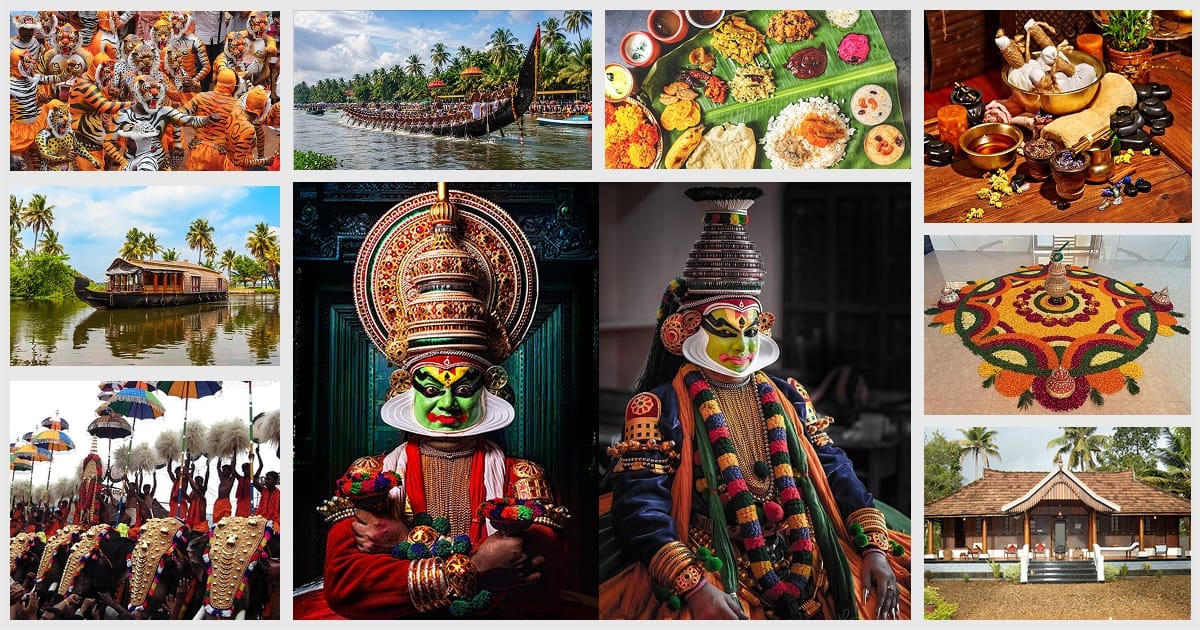
Kerala is known as “God’s Own Country” because of its exceptional combination of scenic landscapes, peaceful backwaters, lush greenery, wildlife, beaches, cultural heritage, and traditional way of life. The phrase captures the idea that Kerala feels like a naturally blessed destination.
Kerala is bordered by the Arabian Sea to the west and the Western Ghats to the east, Kerala is famous for its diverse landscapes, rich culture, and warm hospitality.
10 Facts About Kerala
1. Coconut Is an Important Part of Kerala's Culture
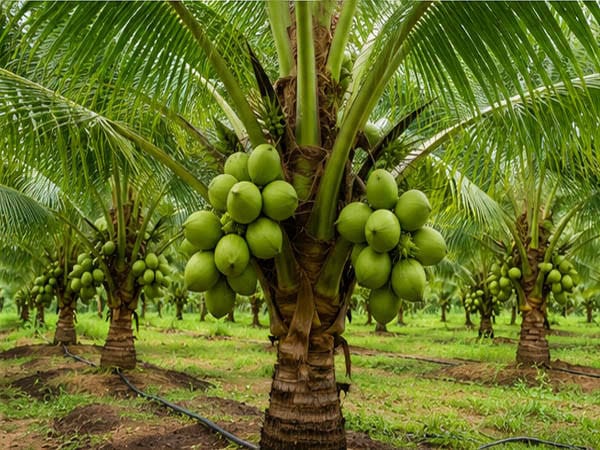
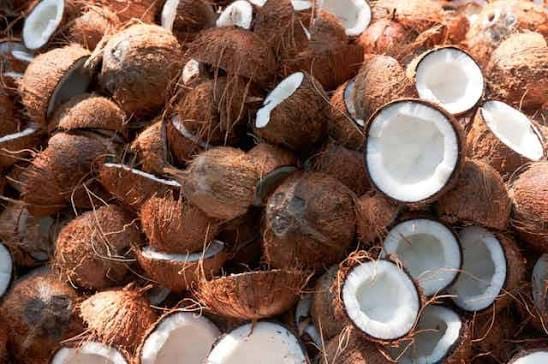
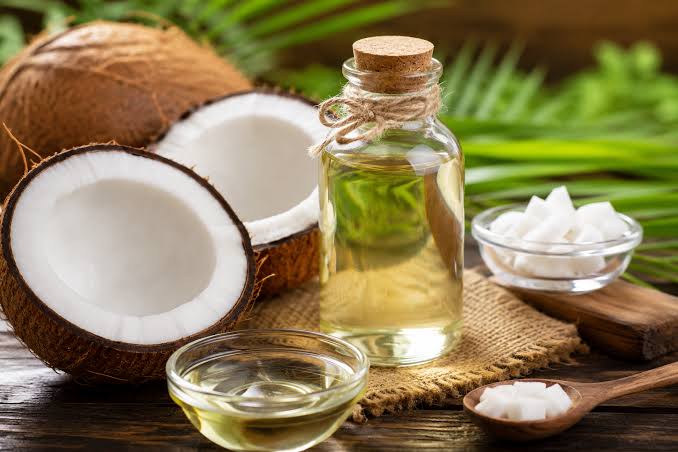
The coconut palm is deeply connected to Kerala's culture, cuisine, agriculture, and everyday life. The state has endless rows of coconut trees, which are a defining feature of Kerala's coastal and rural landscapes. All kinds of coconut products like grated coconut, coconut milk, coconut oil and coconut water are common ingredients extensively used in traditional Kerala cooking.
Beyond food, different parts of the coconut palm have traditionally been used for making ropes, mats, baskets, thatched roofs, and other household products. The coconut tree therefore has both cultural and economic importance in Kerala. The name Kerala is traditionally linked to the Malayalam word “kera,” which means coconut tree. This connection reflects how important coconut trees are to Kerala’s landscape, culture, and everyday life.
2. Kerala Is One of India's Major Spice Regions - A History of the Spice Trade
Kerala has been closely associated with the spice trade for more than two thousand years, particularly because of its valuable black pepper. The fertile hills of the Western Ghats provided ideal conditions for growing black pepper, cardamom, cinnamon, cloves, ginger, turmeric and nutmeg, making the region an important centre of the ancient Indian Ocean spice trade.
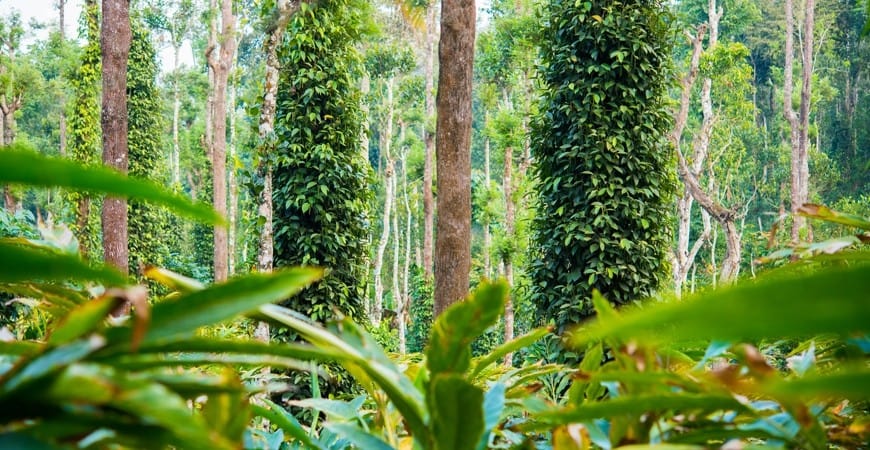
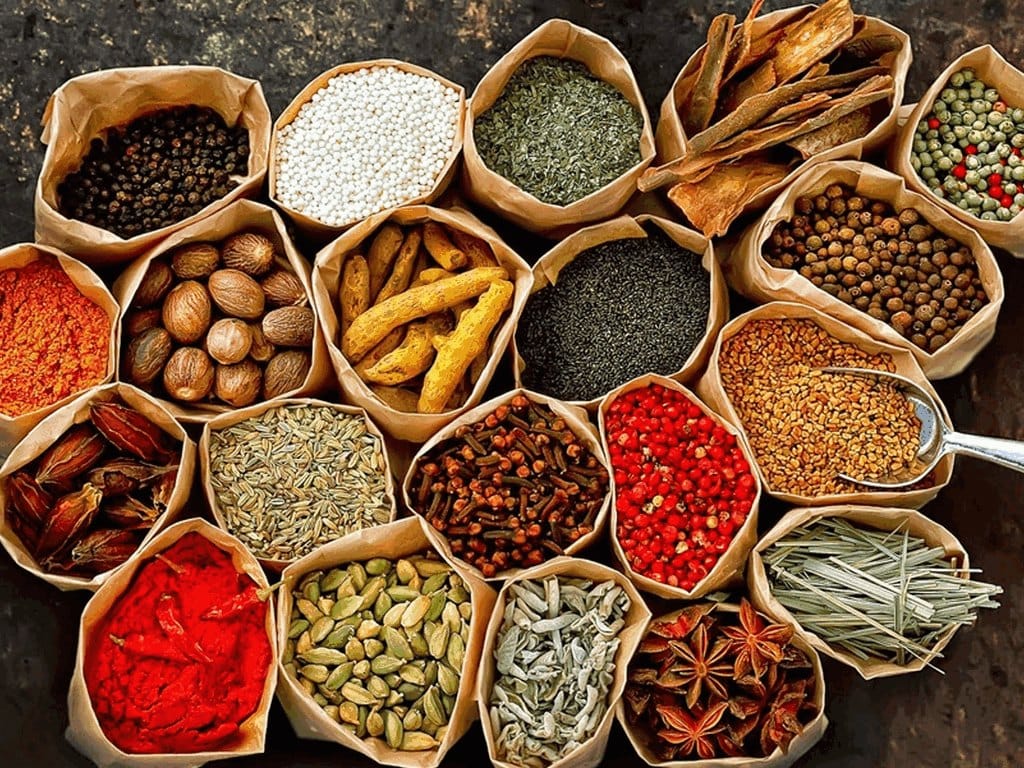
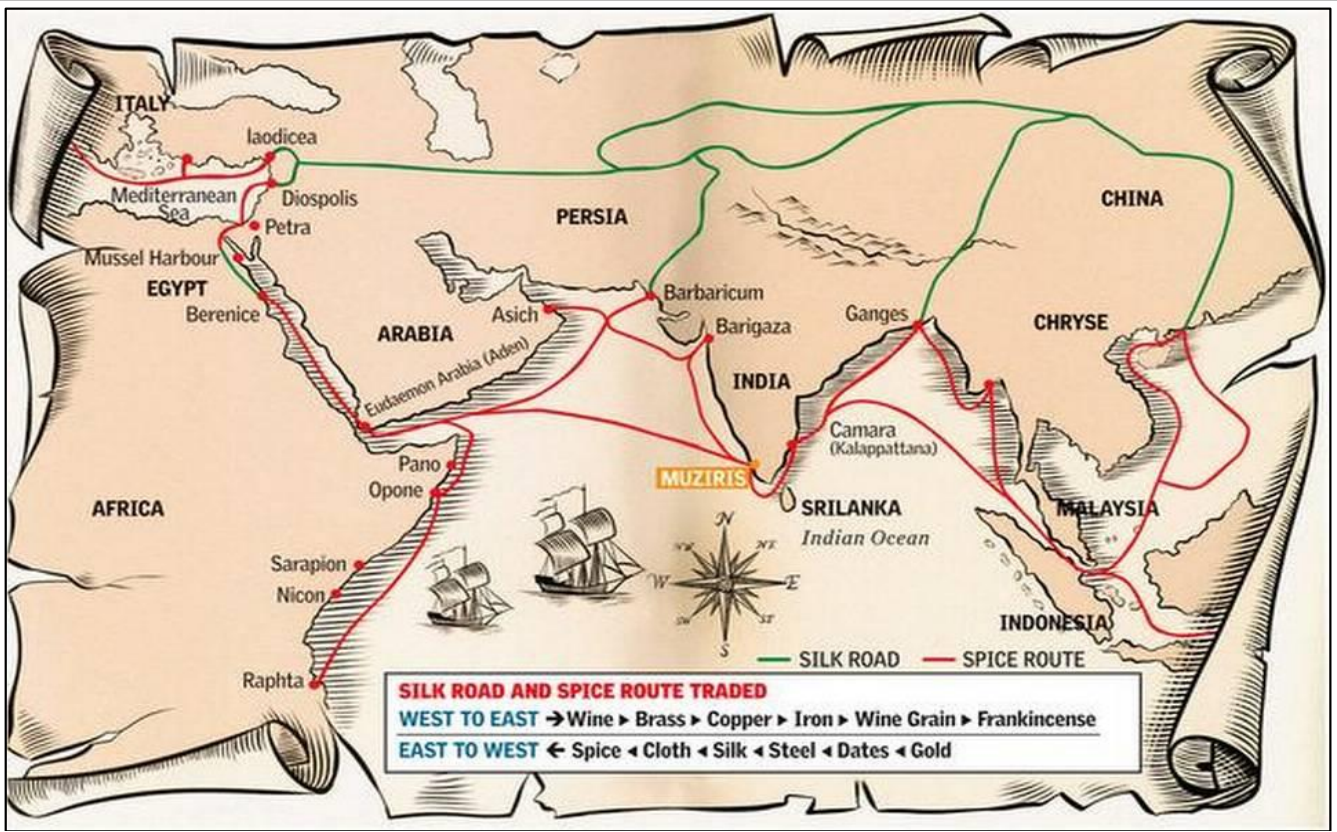
Kerala's spice trade later attracted European powers. The Portuguese were followed by the Dutch and British, who took control of ports, trading routes, and spice-producing regions became an important part of European competition along the Malabar Coast. Today, spices remain an important part of Kerala's agriculture, cuisine, culture, and tourism.
3. Kerala’s Backwaters Are a Living Waterway Network
Kerala backwater is one of the state’s most remarkable natural features. This interconnected network of lakes, lagoons, canals, rivers, and waterways stretches across Kerala’s coastal regions, creating a unique ecosystem where nature and everyday life exist side by side.
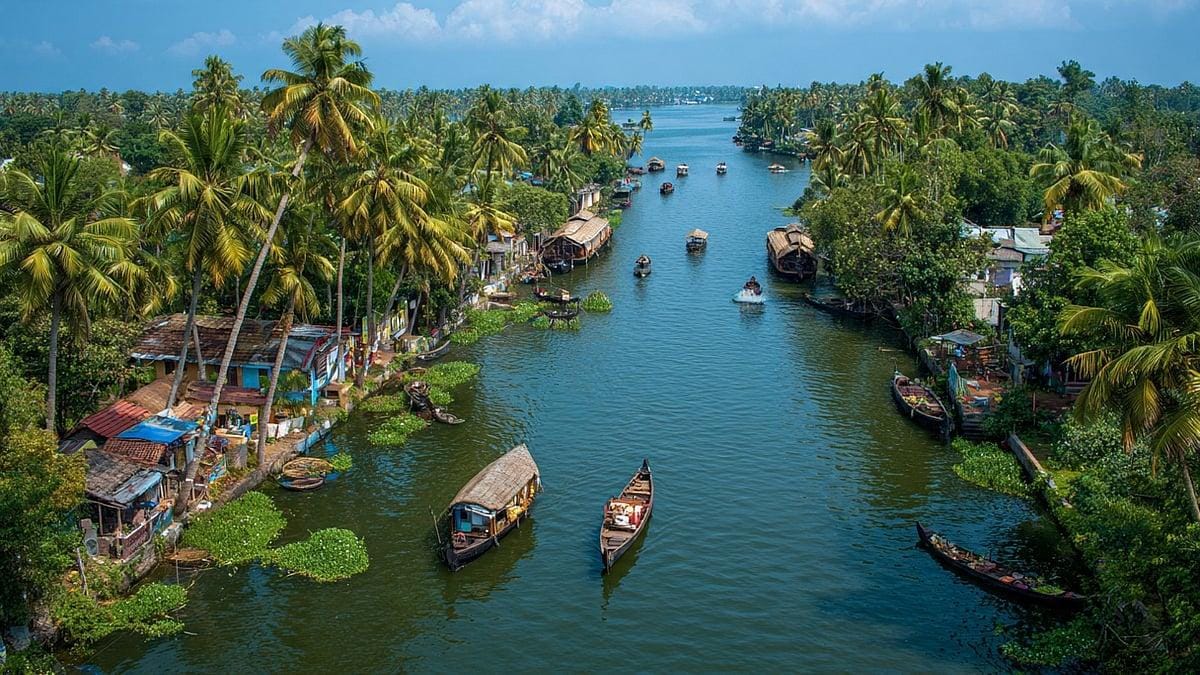
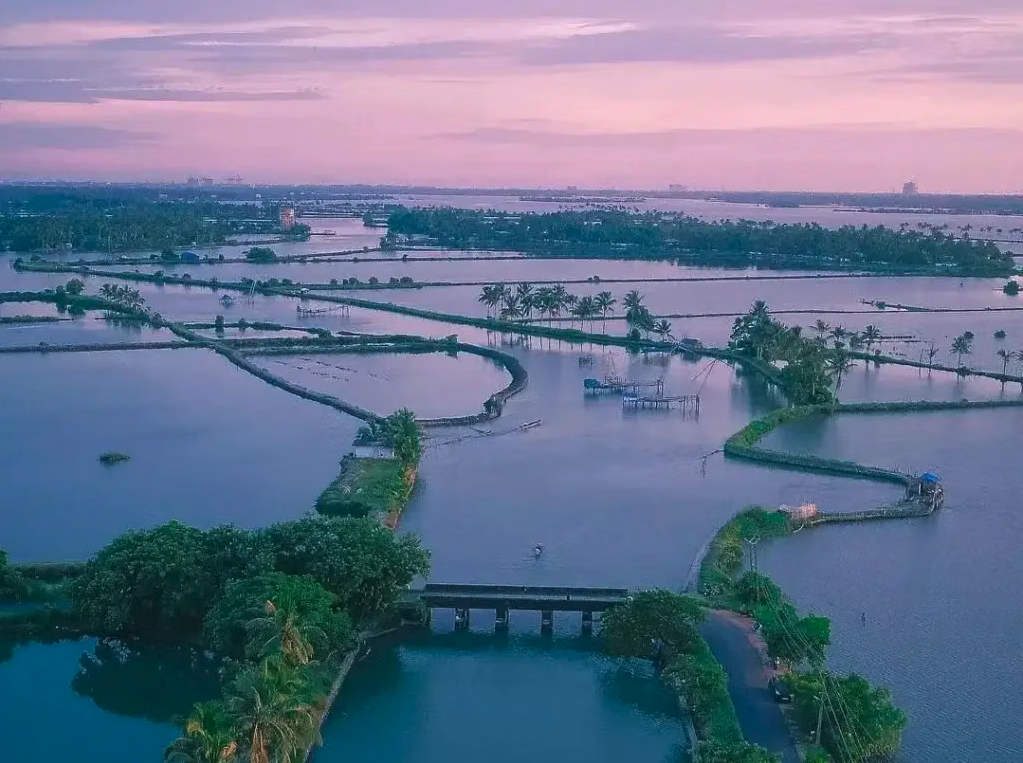
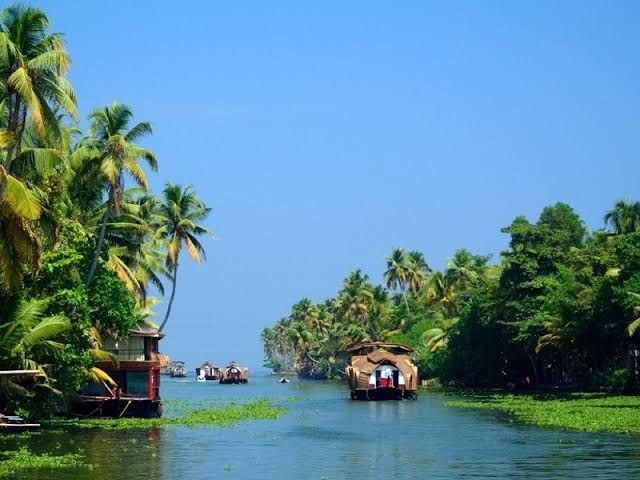
The backwaters are not simply a tourist attraction, they are living waterways that support local communities, agriculture, fishing, transportation, and wildlife. Coconut palms line the shores, traditional homes and villages sit beside the water, and small boats are an important part of daily life.
One of the best ways to experience Kerala's backwaters is by staying on a traditional kettuvallam, or houseboat.
4. Kerala Is Home to the World’s Richest Hindu Temple
Sree Padmanabhaswamy Temple in Thiruvananthapuram, widely regarded as one of the wealthiest Hindu temples in the world. Dedicated to Lord Vishnu, the temple is renowned not only for its immense religious significance but also for its extraordinary history, architecture, and legendary treasures.
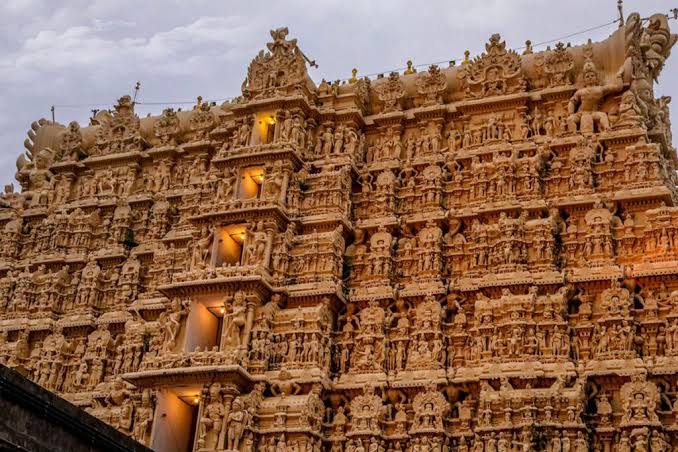

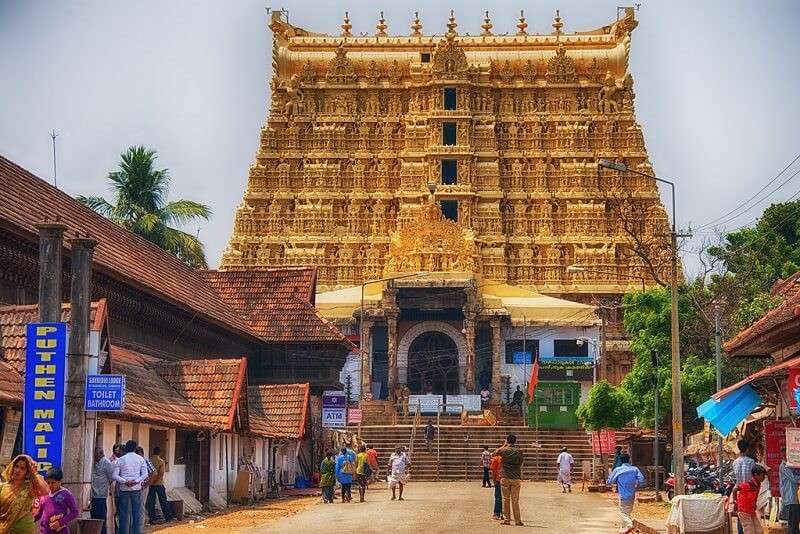
The temple gained worldwide attention following the discovery and inventory of vast quantities of gold, precious stones, coins, ornaments, and other valuable objects stored in its underground vaults which are the offerings and donated by the devotees. The Sree Padmanabhaswamy Temple is more than a symbol of wealth, it represents Kerala's deep spiritual traditions, royal heritage, architectural craftsmanship, and centuries-old connection with Hindu culture.
5. Kathakali - The Pride of Kerala’s Culture
Kathakali is one of Kerala's most iconic traditional performing arts and an important symbol of the state's rich cultural heritage. Known for its vibrant costumes, elaborate makeup, expressive eyes, dramatic gestures, and powerful storytelling, Kathakali combines dance, theatre, music, and mythology into a spectacular performance.
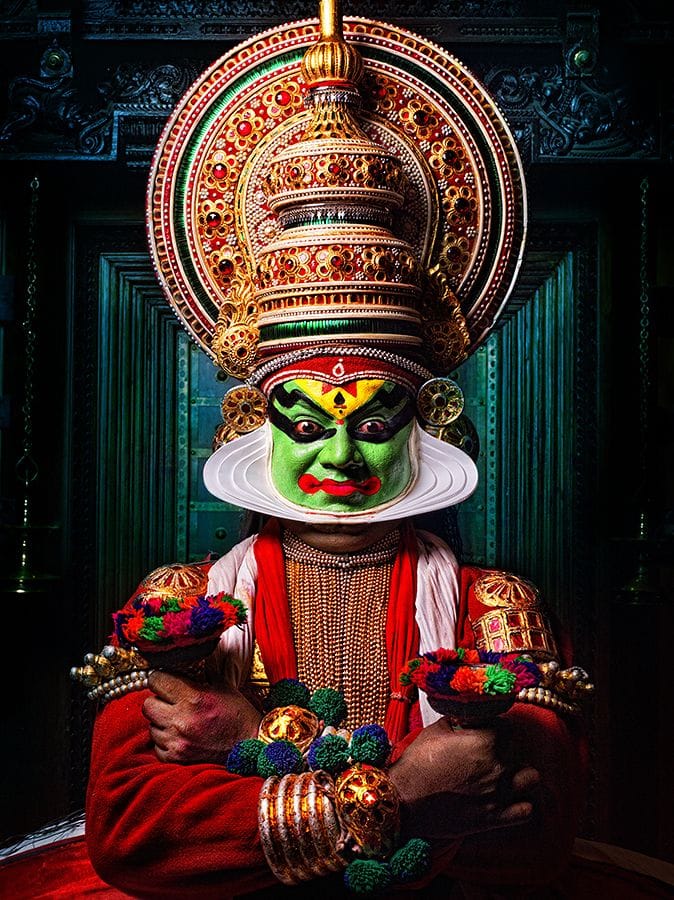
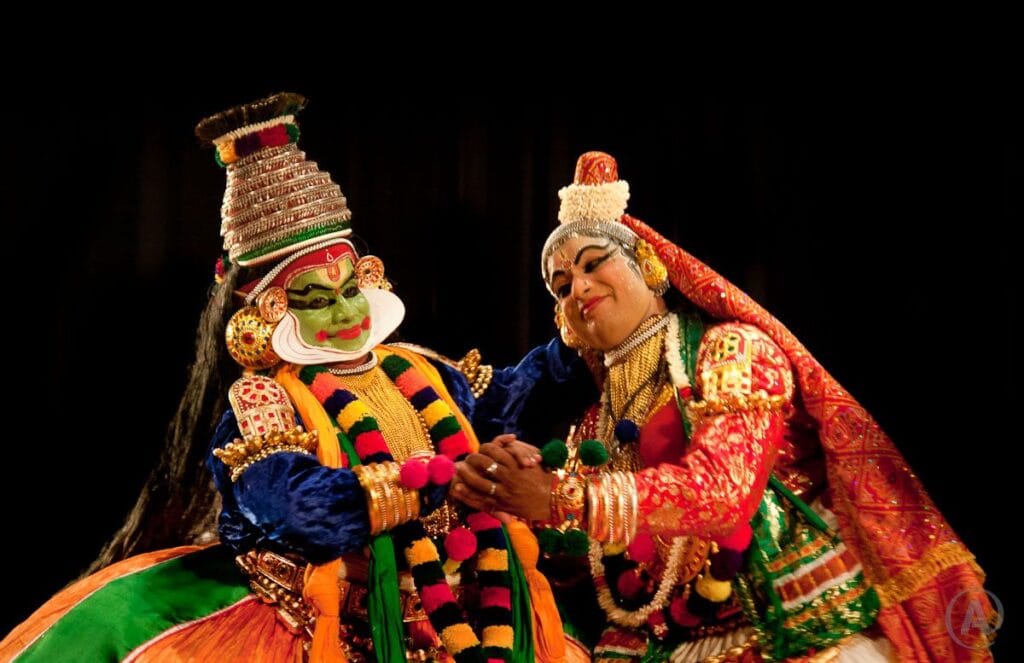
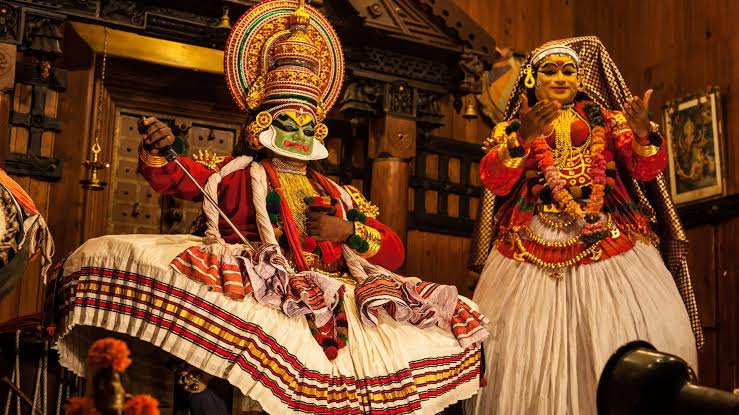
The word Kathakali is derived from the Malayalam words “Katha,” meaning story, and “Kali,” meaning performance or play. Traditionally, performances draw inspiration from Hindu epics and stories. Kathakali is more than a form of entertainment that it represents Kerala's artistic traditions, storytelling heritage, music, and cultural identity. Its distinctive visual style and sophisticated performance techniques have helped make Kerala's traditional arts recognised around the world.
6. Onam Is Kerala's Major Festival
Onam is one of the most important and widely celebrated festivals in Kerala. It is a harvest festival that brings families and communities together with colourful traditions, delicious food, cultural performances, and celebrations that can continue for several days. Another highlight is the grand Onam Sadya, a traditional vegetarian feast served on a banana leaf. It can include a variety of dishes such as rice, sambar, avial, thoran, olan, payasam, and other traditional preparations.
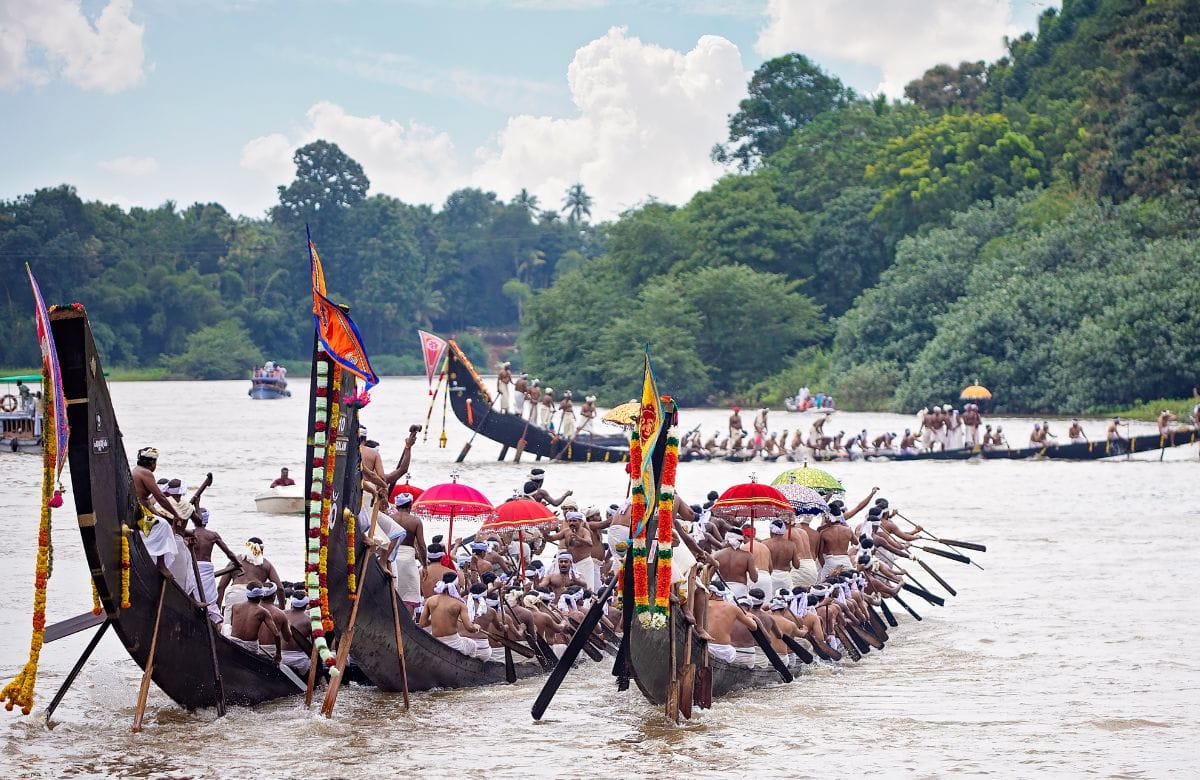
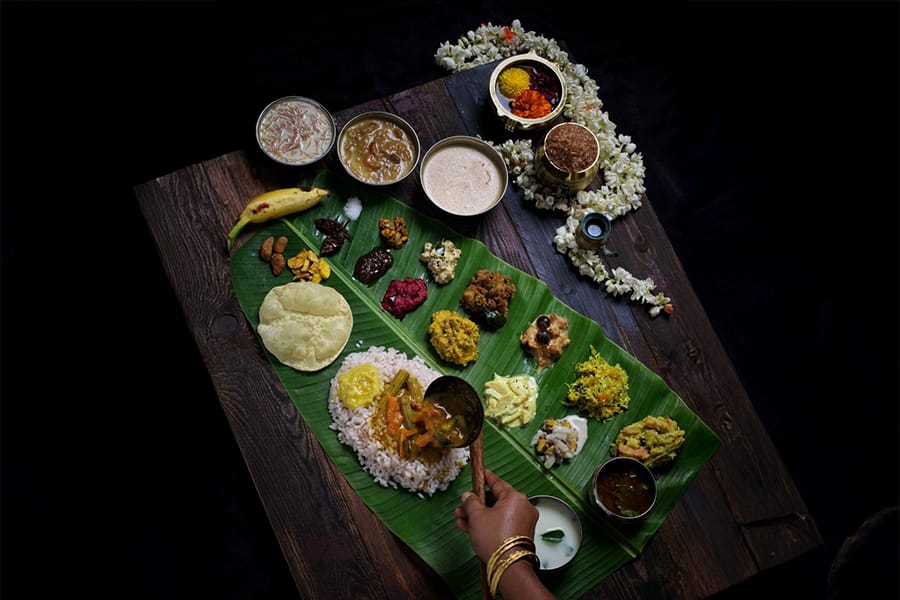
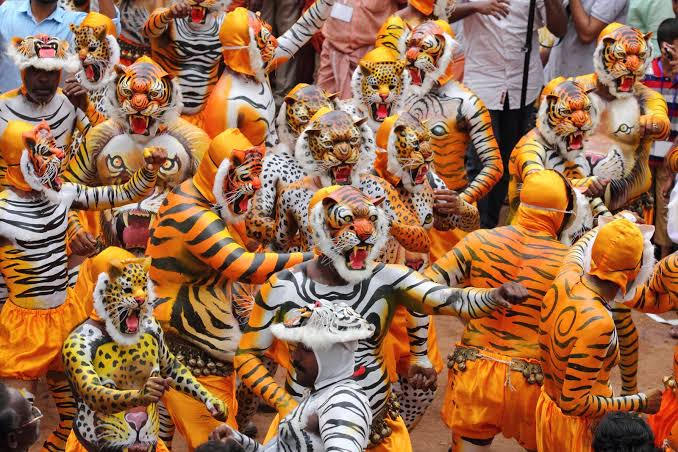
Onam celebrations feature traditional music, dance, games, processions, and cultural programmes. Onam represents prosperity, togetherness, gratitude, and Kerala's rich cultural heritage. Experiencing Onam offers a wonderful opportunity to see Kerala at its most colourful, with floral decorations, traditional food, cultural performances, and vibrant local celebrations.
7. Kerala’s Love for Elephants - A Tradition Like No Other
Elephants hold a special place in Kerala’s cultural landscape. One of the strongest connections between elephants and Kerala is found in the state's temple festivals, traditional ceremonies, and celebrations, becoming one of the most recognisable symbols of Kerala’s heritage.
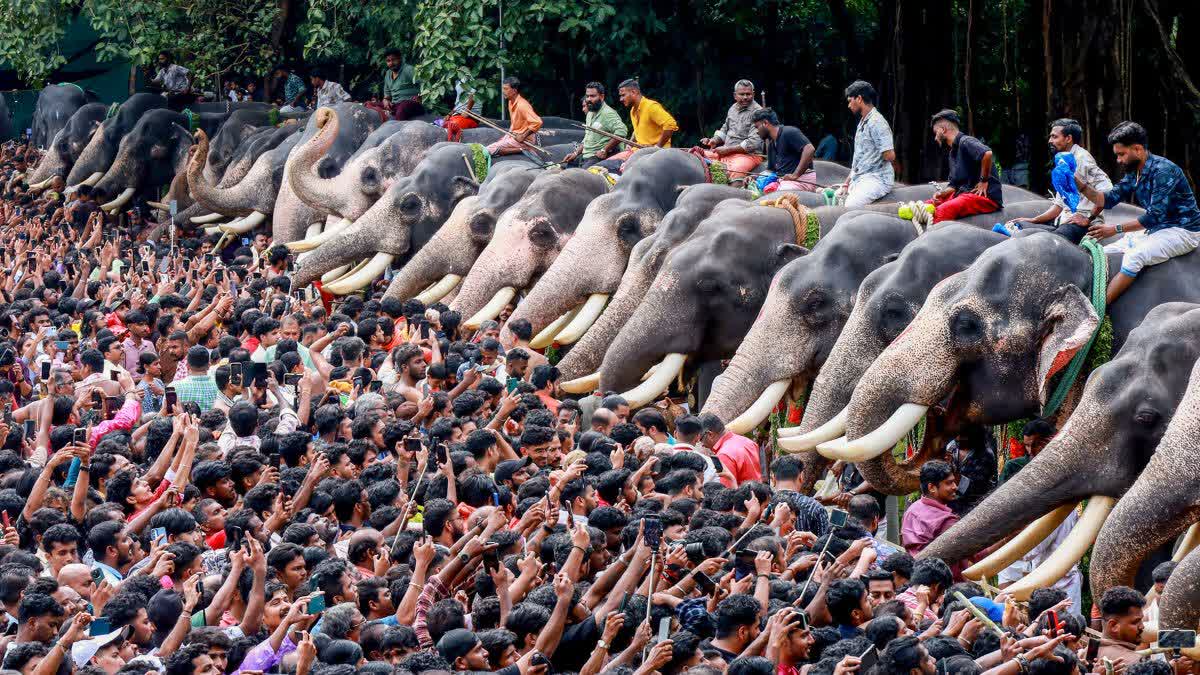
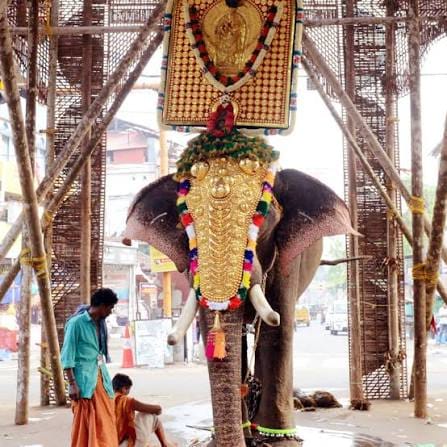
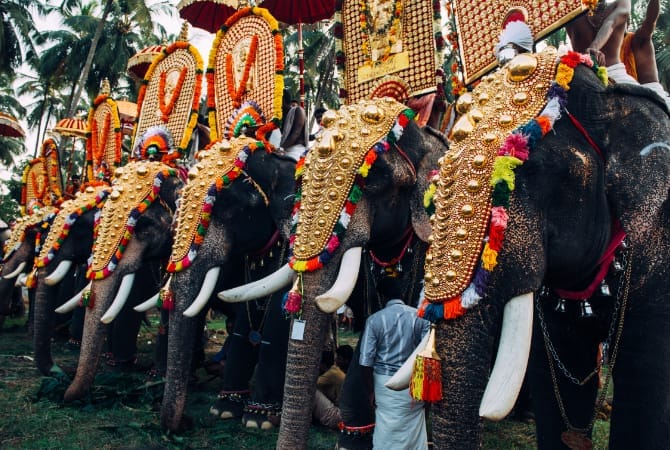
During major festivals, elephants may be adorned with colourful nettipattam a decorative golden headgear along with ornaments and ceremonial cloth. Their presence adds grandeur to processions accompanied by traditional percussion performances. The sight of rows of decorated elephants standing beneath colourful umbrellas has become an iconic image of Kerala's festival culture.
8. Kerala - The Heartland of Ayurveda
Kerala is widely regarded as one of the leading destinations for Ayurveda and traditional wellness in India. With its tropical climate, abundant medicinal plants, tranquil surroundings, and centuries-old traditions, the state has become a popular choice for travellers seeking relaxation and holistic wellness experiences.
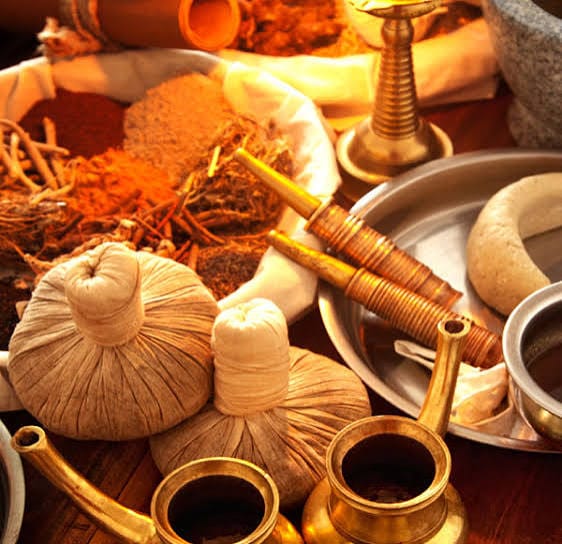
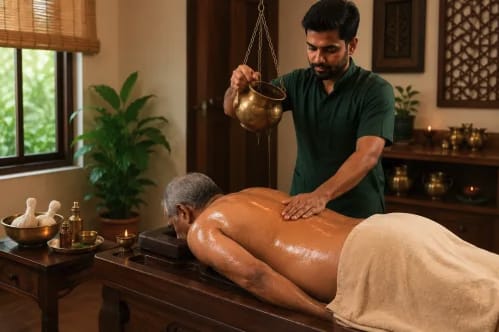
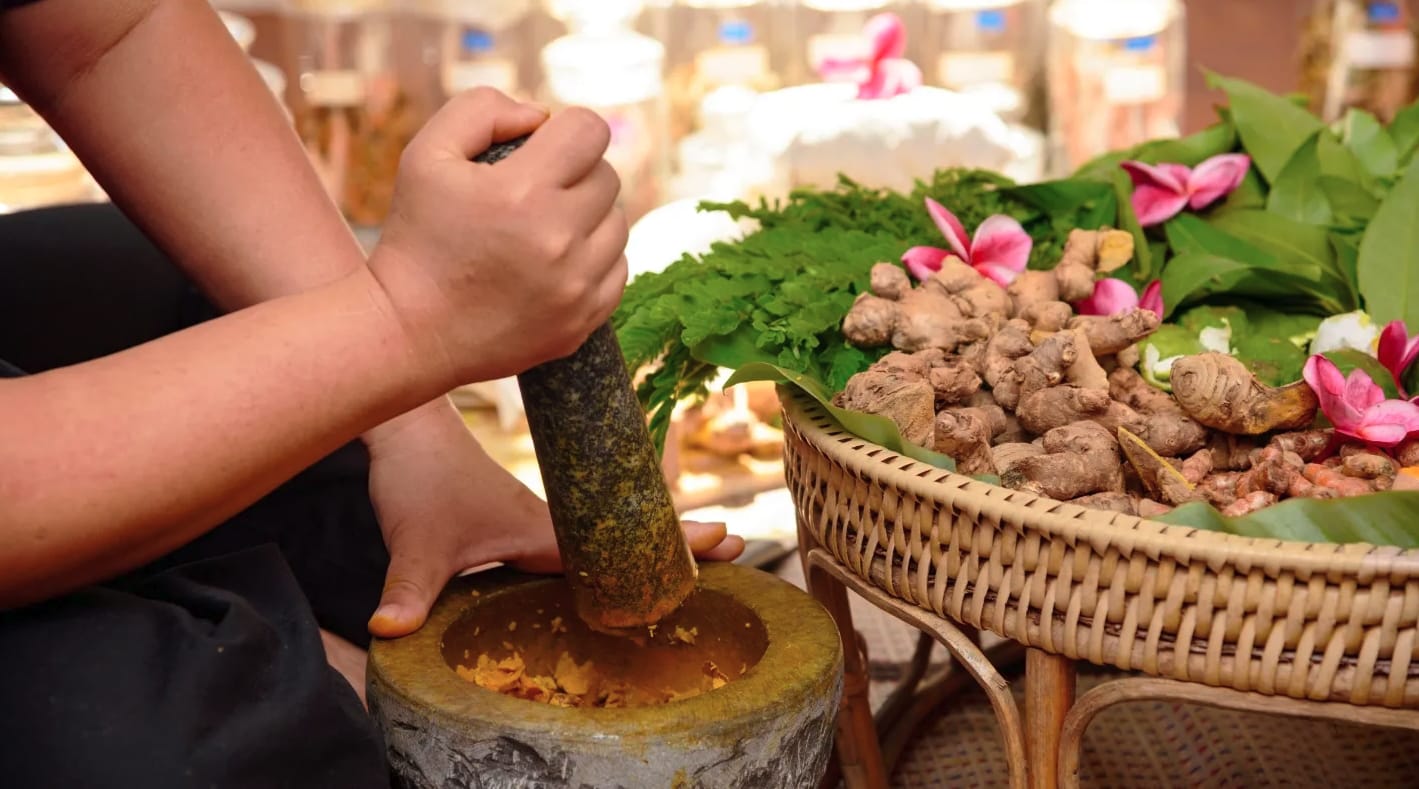
Traditional wellness practices may include herbal therapies, oil treatments, yoga, meditation, dietary routines, and rejuvenation programmes, depending on the centre and individual needs. The peaceful surroundings of destinations such as Kovalam, Kumarakom, Wayanad, and Thekkady make Kerala especially appealing for wellness-focused holidays.
9. Kuttanad - The Village Region in Kerala That Lies Below Sea Level
Kuttanad, located in the Alappuzha region of Kerala, is one of the most remarkable landscapes in India and is famous for its farming areas that lie below sea level. Often described as the “Rice Bowl of Kerala,” Kuttanad is known for its vast paddy fields, canals, rivers, lagoons, and traditional village life.
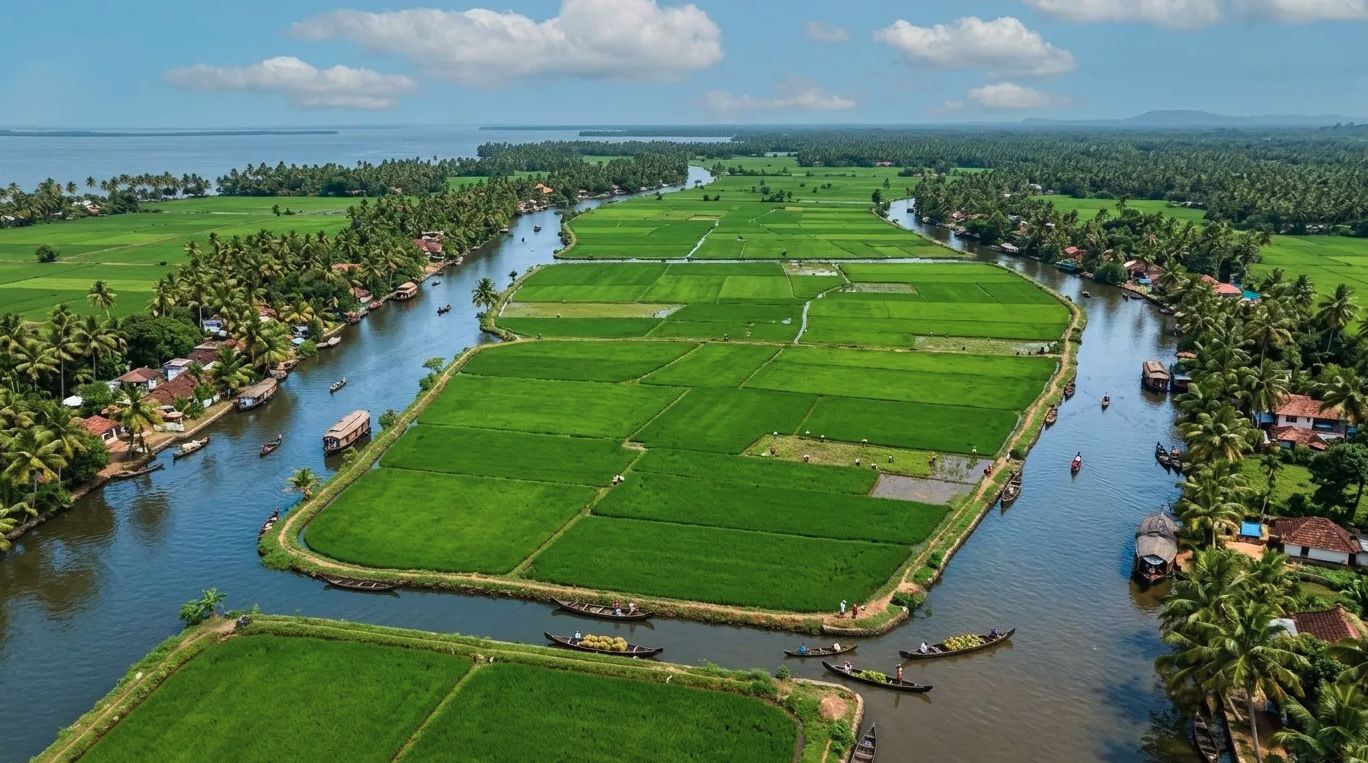
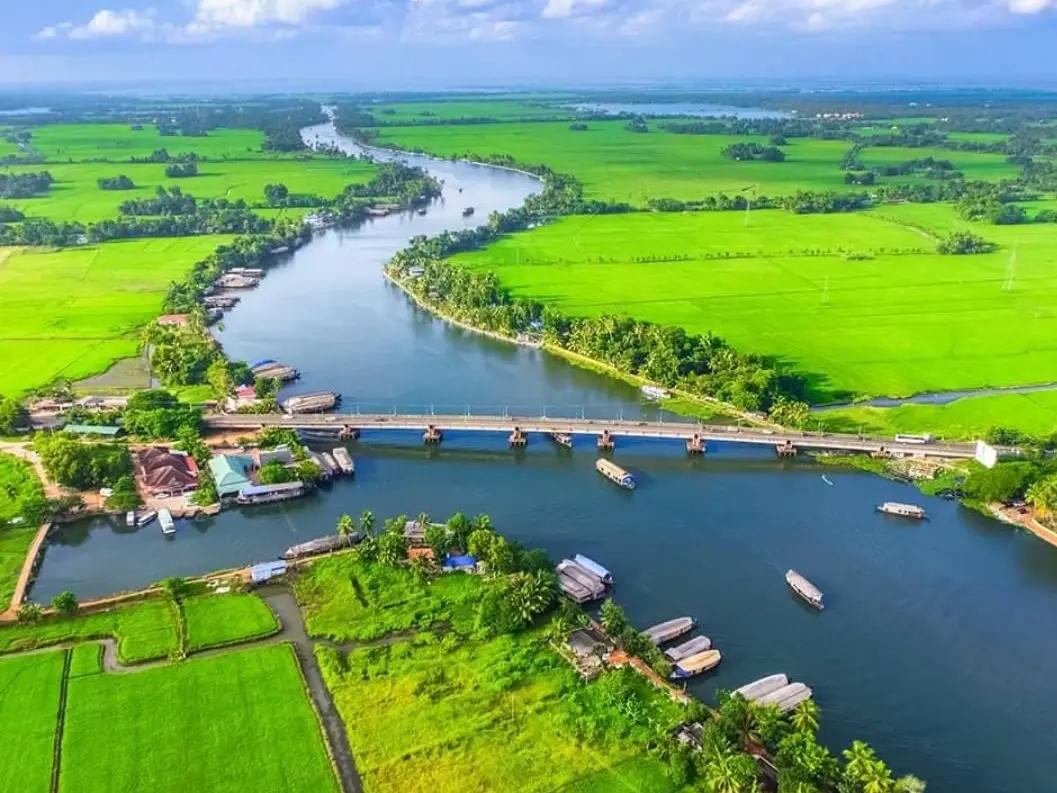
What makes Kuttanad particularly fascinating is that farmers cultivate rice in fields that are several feet below sea level. Instead of allowing the surrounding water to flood the farmland, communities have developed an extensive system of bunds, dykes, canals, and pumps to protect and drain the fields.
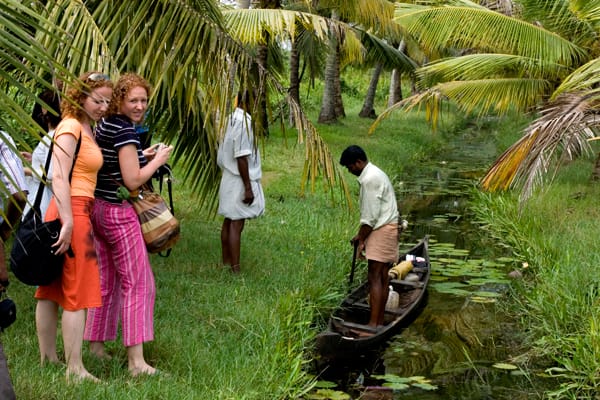
Kuttanad is a fascinating example of how Kerala's communities have adapted to a challenging natural environment. For travellers looking beyond the usual tourist attractions, a visit to Kuttanad can offer a more authentic glimpse of rural Kerala and its remarkable relationship with water.
10. Kerala - One of the World’s Top Ten Paradise Destinations
Kerala is celebrated as one of the world's most beautiful tropical destinations, offering a remarkable mix of tranquil backwaters, lush green landscapes, misty mountains, golden beaches, rich culture, and traditional wellness experiences. Often called “God’s Own Country,” Kerala provides travellers with the feeling of stepping into a natural paradise.
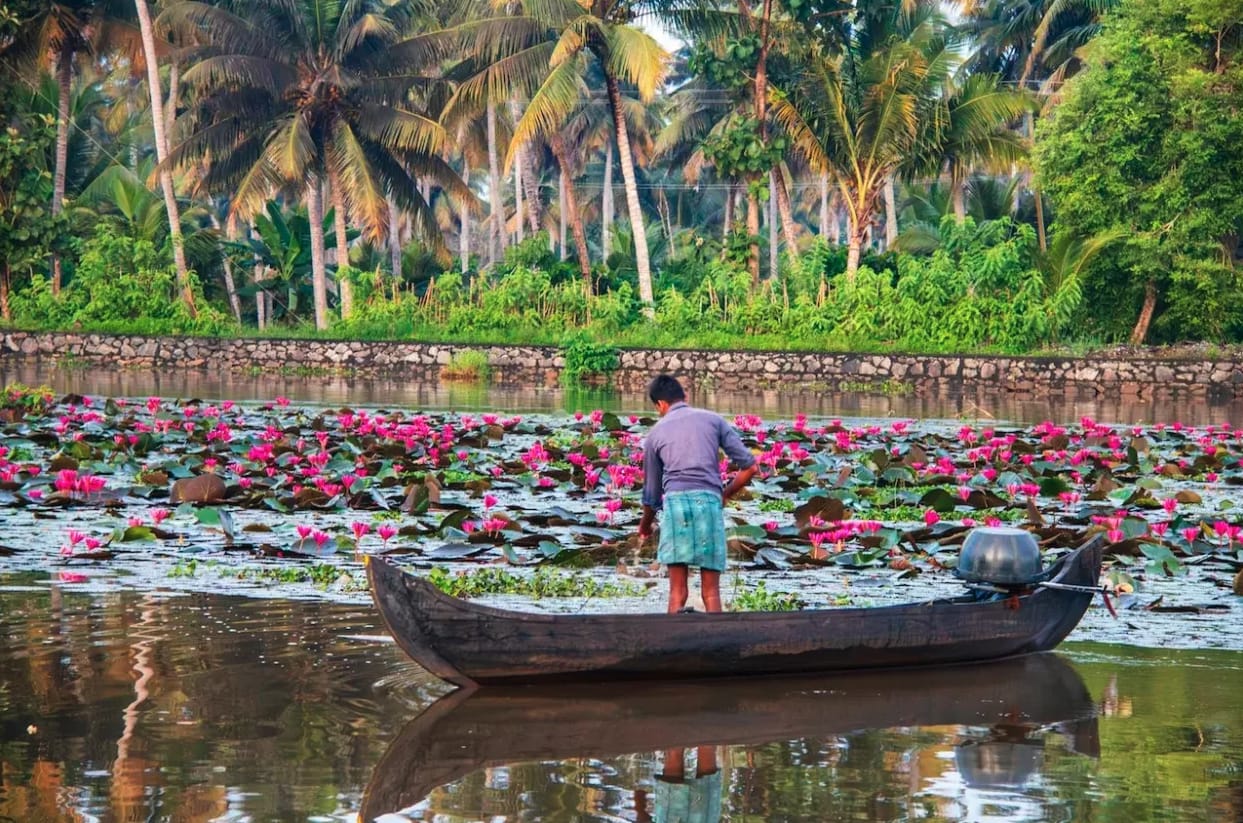
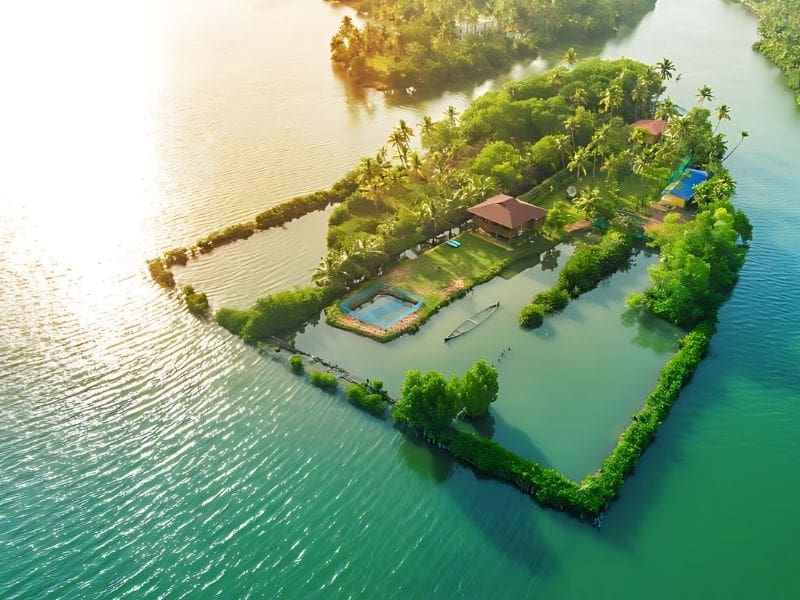
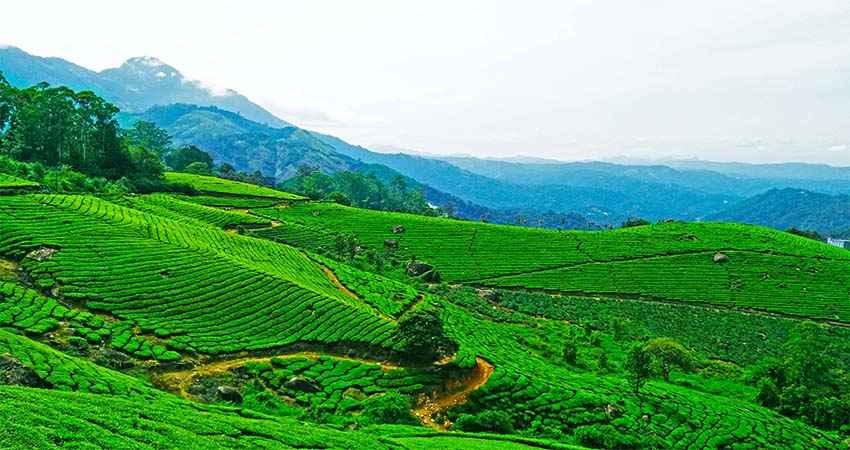
From cruising through the serene backwaters of Alleppey to exploring the tea-covered hills of Munnar and relaxing along the Arabian Sea coastline, Kerala brings together diverse landscapes in one destination. Its combination of natural beauty, warm hospitality, unique traditions, and peaceful surroundings makes it an unforgettable place to explore.
Frequently Asked Questions (FAQs)
1. What is unique about Kerala’s backwaters?
Kerala's backwaters are unique because they combine lakes, canals, rivers, villages, farms, and everyday life in one beautiful landscape. A backwater cruise offers views of paddy fields, coconut groves, traditional homes, fishing boats, and local village life.
2. Which spices is Kerala famous for?
Kerala has a long history of spice cultivation and trade. Some of the most important spices associated with the state include black pepper, cardamom, cinnamon, cloves, ginger, and nutmeg.
3. What makes Kerala different from other Indian states?
Kerala stands out for its combination of backwaters, mountains, beaches, biodiversity, distinctive culture, high literacy, Ayurveda, traditional arts, and cuisine.
4. What wildlife can be found in Kerala?
Kerala's forests are home to wildlife including Asian elephants, tigers, Nilgiri tahr, lion-tailed macaques, deer, monkeys, reptiles, and numerous bird species.
5. Why are coconut trees so common in Kerala?
Kerala's tropical climate and coastal environment are well suited to coconut cultivation. Coconut is also deeply connected to the state's agriculture, cuisine, traditions, and daily life.
6. What is the most famous festival of Kerala?
Onam is Kerala's most famous and widely celebrated festival. It is a harvest festival that brings families and communities together with colourful traditions, traditional feasts, cultural activities, and boat races.
7. Why is Kerala famous for Ayurveda?
Kerala has a long-standing tradition of Ayurvedic practices and wellness therapies. Its tropical climate, medicinal plants, and established Ayurvedic institutions have helped make it a popular wellness destination.
8. What is Kerala known for culturally?
Kerala is known for its rich cultural traditions, including Kathakali, Theyyam, Mohiniyattam, traditional music, temple festivals, Onam celebrations, and Vallam Kali (snake boat races).
9. Which Is the Famous Sweet Dish in Kerala?
Payasam is one of the most famous and traditional sweet dishes in Kerala. It is commonly prepared during festivals, weddings, and special occasions.
10. What is a Kerala Sadya?
A Sadya is a traditional Kerala vegetarian feast usually served on a banana leaf. It includes a variety of dishes and is especially associated with festivals and celebrations such as Onam.